

Salem History
Salem History
Whether you’re planning to visit or move to Salem or are just learning about the area, we have some facts you should know before you go. Who knows, maybe this will push you to take a trip if you weren’t already planning to.
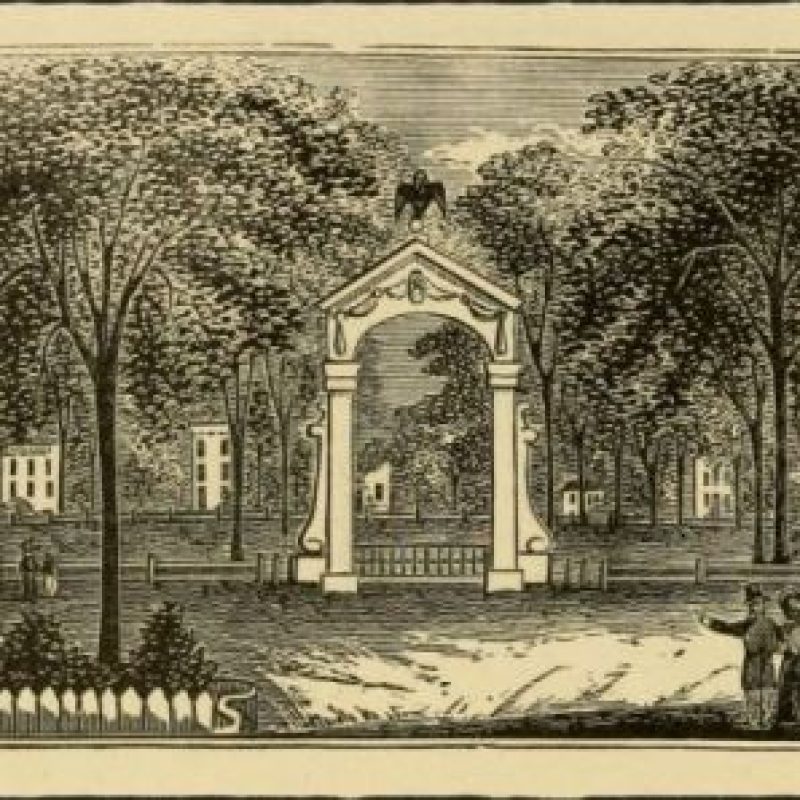
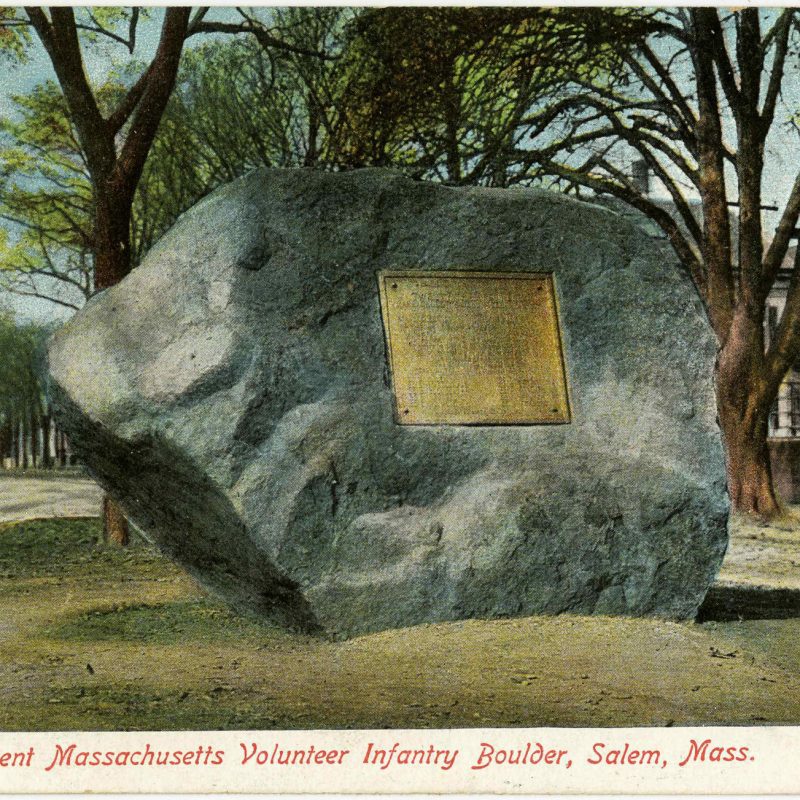
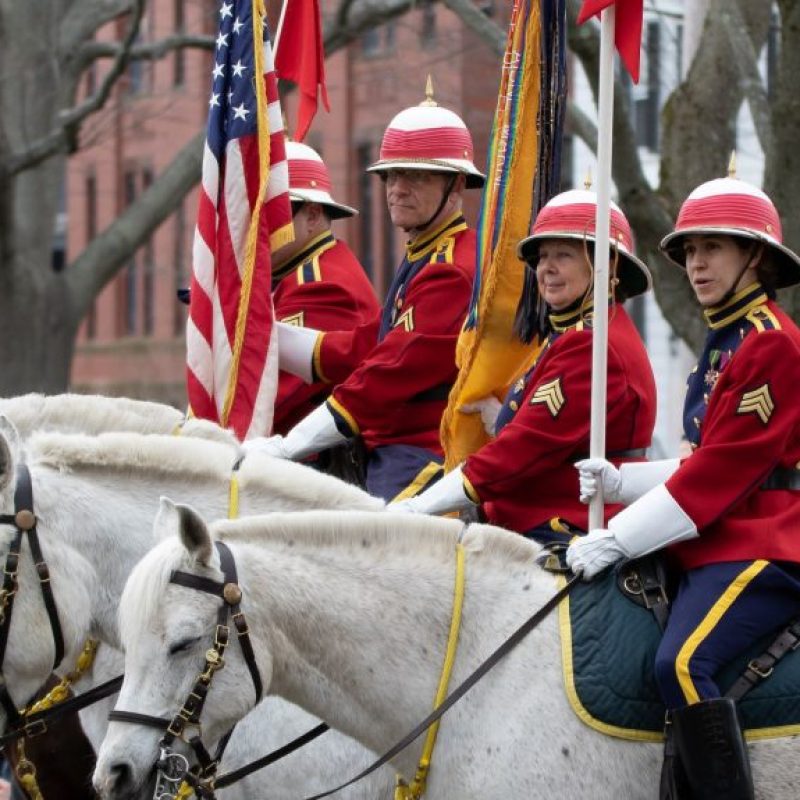
Back in 1628, before all thirteen colonies were established and the US had a formal military, Governor John Endecott created the first official militia to defend Salem. The militia drafted men from ages 16 to 60 and became known as the East Regiment under a legislative act by the Massachusetts Bay General Court on December 13, 1636. In 2013 signed legislation marked this the official birthdate of the Army National Guard. Training was conducted in what is now Salem Common, with the very first militia muster organized in 1937. This event was the foundation for what would eventually become the National Guard of today.
Salem is also home to a couple of nearly four-century-old military fortifications. First, Fort Pickering was a coastal defense post along Salem Harbor during the Anglo-Dutch Wars. This fort has a history dating back to 1643. Then it was initially named Fort William and Fort Anne, and its first actual military use was in 1663. Second is Fort Lee, located at the highest point on Salem Neck. This earthwork fort dates back to 1690 and was used during the Revolutionary War, the War of 1812, and the American Civil War.
Pirates were not an uncommon sight along the New England shores and a very real threat compared to the Puritan fears of black magic. The city was targeted due to its valuable trade cargo and comfortable summertime climate. Several infamous pirates docked right in Salem during the Golden Age, which lasted from the 1650s to the 1730s. You may recognize names like Blackbeard and Captain Kidd, but other local legends include “Black Sam” Bellamy and Edward “Ned” Low.
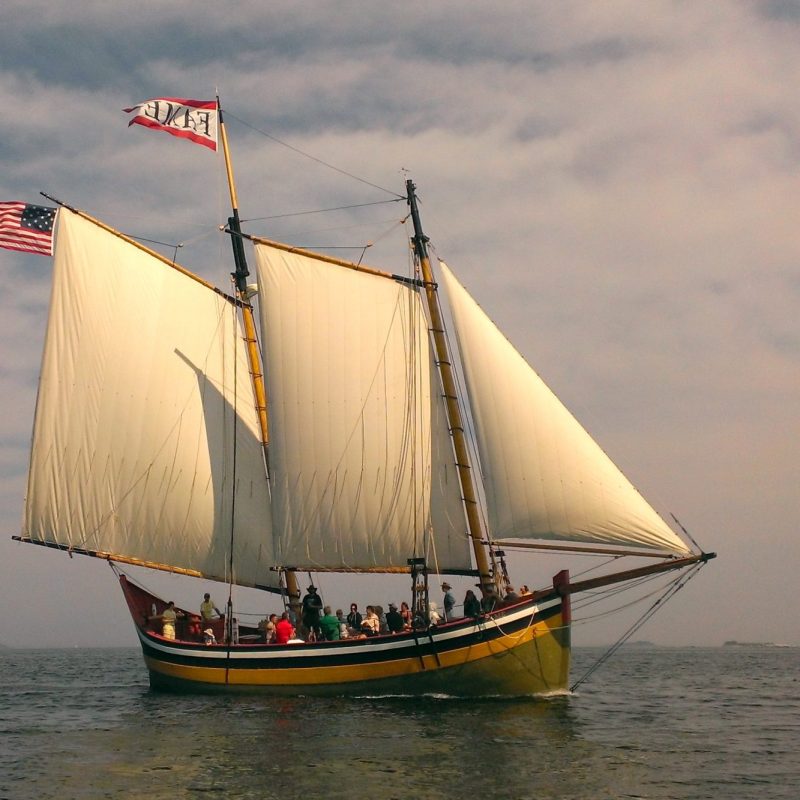
A little different from pirates, Privateers also played an essential role in aiding the Navy during the Revolutionary War and the War of 1812. The main difference was that privateering was legal, and piracy was not. As a result, over 150 privately owned ships that operated out of Salem were enlisted to attack and seize enemy ships. Today, you can board The Schooner Fame, which was converted from a fishing vessel into a privateer combat vessel during the War of 1812. It’s noted for being the first American privateer during the war to capture prizes, two of which were The Concord of England and the Elbe of Scotland.
It All Starts Here
The History of Salem
10,000 Years Ago
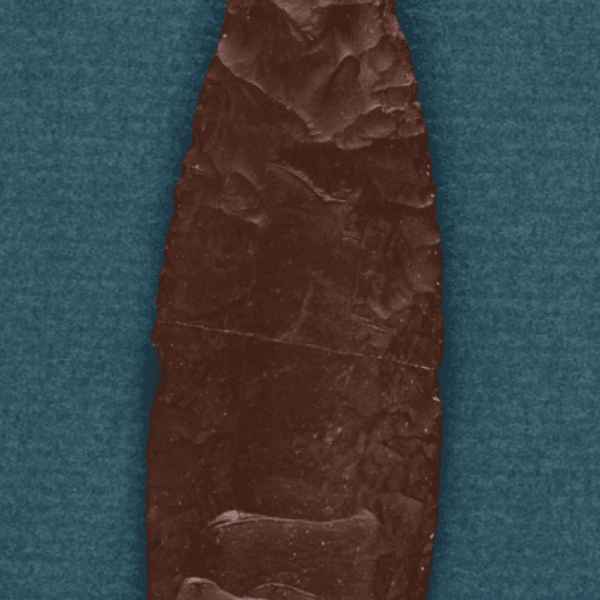
Sometime 12,000 to 9,000 years ago, the first humans entered the land around Salem as the glaciers receded at the end of the last ice age. These people were the ancestors of present-day Indigenous people. They produced sharp spear-point from stone and hunted caribou. One of the largest archeological sites in North America, Bull Brook in nearby Ipswich, was inhabited by groups of paleo-Indians around 11,000 years ago.
1600's
In the 1600s, Salem, Massachusetts was a small community in the Massachusetts Bay Colony that was undergoing a period of turmoil.
1700's
Salem, Massachusetts in the 1700s was involved in the Atlantic slave trade, the Salem Witch Trials, and the American Revolution.
1800's
Salem, Massachusetts was a prosperous port city in Massachusetts in the 1800’s.
1900's
Salem, Massachusetts and other places with the name Salem had many notable events and developments in the 1900’s.
2000's
In the 2000’s, Salem, Massachusetts experienced changes to its population and initiatives to address the opioid crisis.
need something?
We can help you search for what you're looking for
You can navigate through our menu or use this search bar:
Browse Through Time
Experience History


1600s
10,000 Years Ago End of last ice age, arrival of indigenous people in New England
Sometime 12,000 to 9,000 years ago, the first humans entered the land around Salem as the glaciers receded at the end of the last ice age. These people were the ancestors of present-day Indigenous people. They produced sharp spear-point from stone and hunted caribou. One of the largest archeological sites in North America, Bull Brook in nearby Ipswich, was inhabited by groups of paleo-Indians around 11,000 years ago.
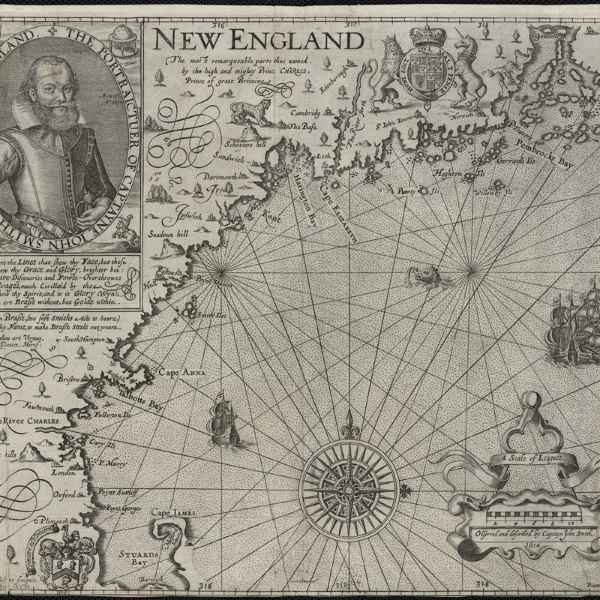
1614 John Smith surveys the coast of New England
John Smith made a single trip to Massachusetts in 1614.
1626 Roger Conant arrives, settling what would become Salem.
In the autumn of 1626, Roger Conant began a settlement in what is today Salem. Born in England, Conant came from the Plymouth Colony south of Boston to found a fishing station in what is today Gloucester, Massachusetts. Conant began a settlement they called Naumkeag, borrowing from the name of the Massachusett village already on the site. By 1630, there were about 40 settlers living there.
1629 The first church of Salem is organized
In 1629, The First Church in Salem is organized and is considered one of the oldest churches organized in North America.
- (No video available)
1629
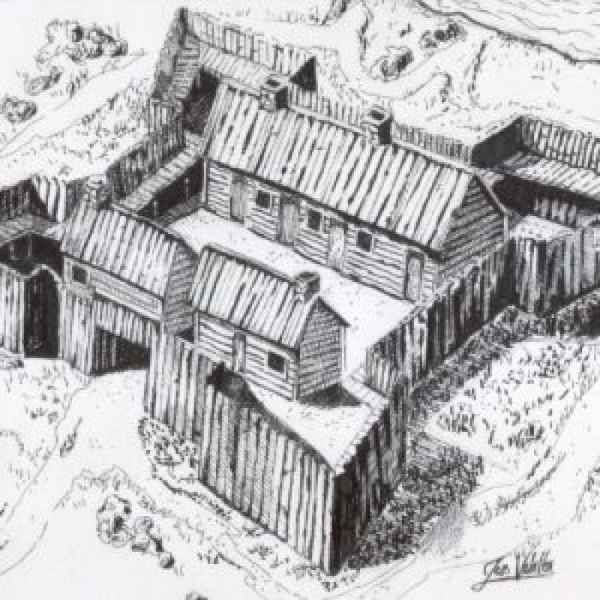
The first fort is built in Salem
Learn more about the site of the first fort built in Salem.
- (No video available)
1635
The first ropewalk in America began near Collins Cove
The first ropewalk in America began near Collins Cove.
- (No video available)
1635
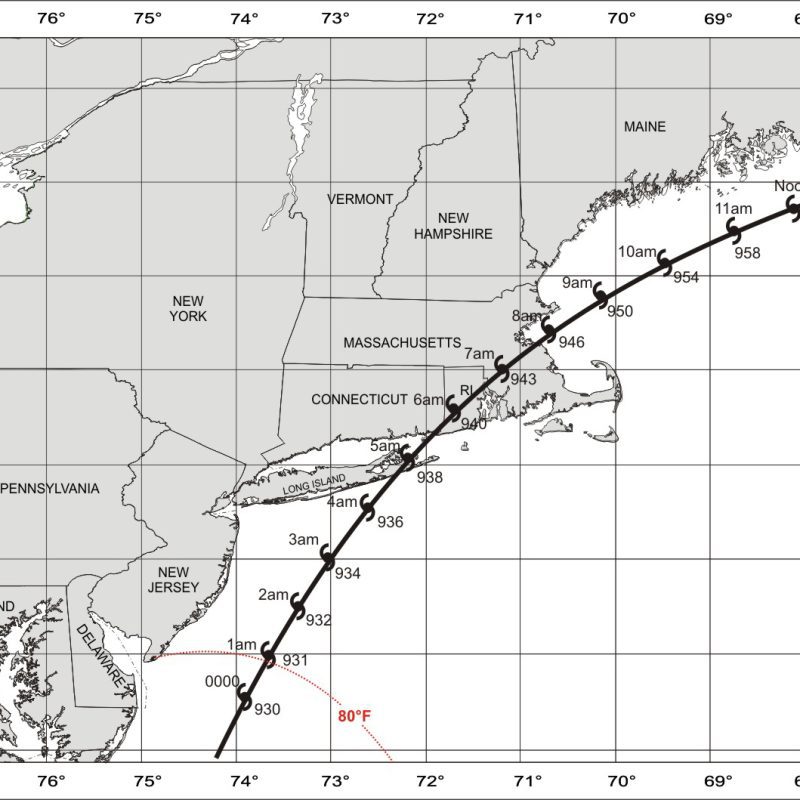
Great Colonial hurricane of 1635
Great Colonial hurricane of 1635 is the largest hurricane in the recorded history of New England.
1637
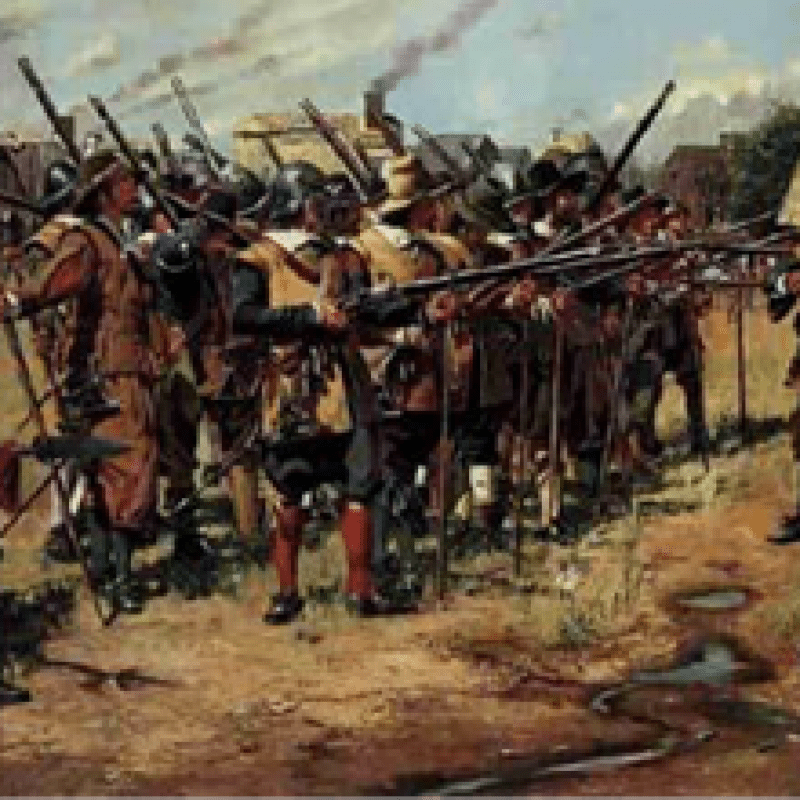
The first muster of the East Regiment
The early settlers of Salem established a militia to combat the Indigenous people of New England, further seizing their lands and defending against feared reprisals. Three regiments, composed of all the able men in the colony, were divided geographically. In 1637, as conflict raged with the Pequot people in southern New England, the East Regiment from Salem and surrounding towns mustered and drilled on the training ground, which today we call Salem Common. This event is considered the birth of the American National Guard.
1637
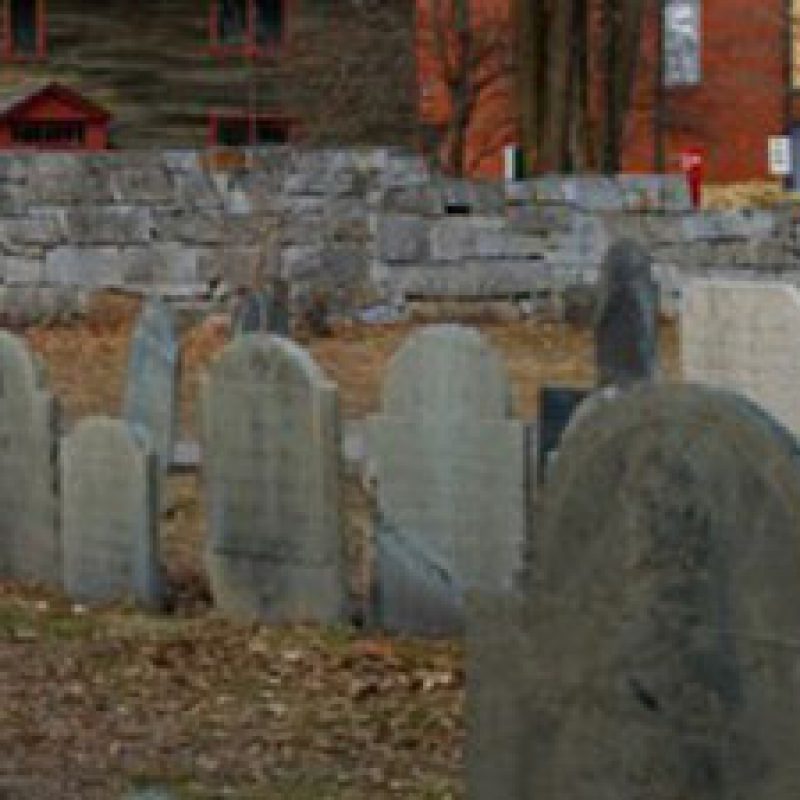
The first burial in the Old Burying Point Cemetery, now known as Charter Street Cemetery
The Charter Street Cemetery or “Old Burying Point Cemetery” is created, now the oldest burying ground in Salem.
1638
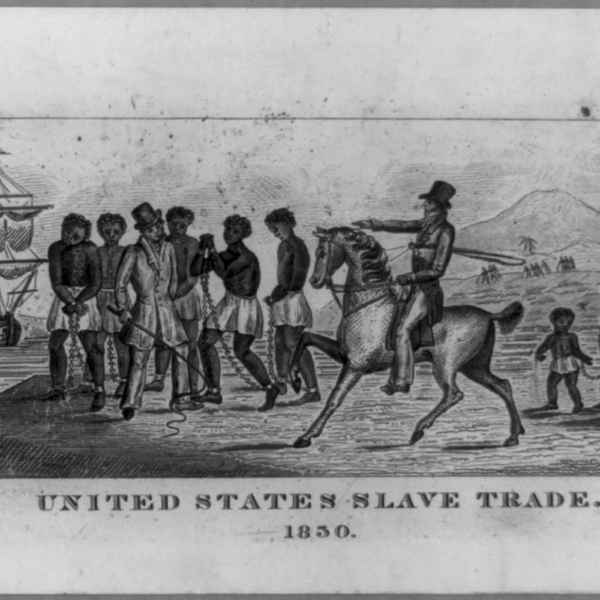
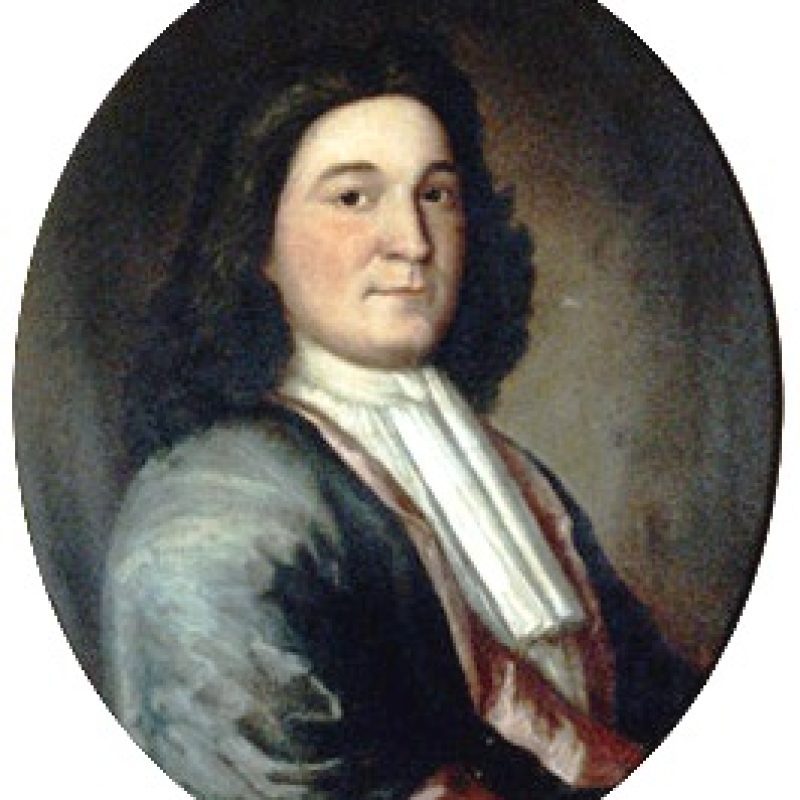
The Desire, captained by William Peirce, begins the American trade of enslaved people
The Desire, a Salem ship captained by William Peirce, sold Indigenous prisoners from the Pequot War in the Caribbean in exchange for enslaved people brought from Africa, who were subsequently sold in Boston. This infamous voyage began over 200 years of the American Slave Trade, in which approximately 500,000 Africans were brought to North America to work in grueling conditions with little hope of freedom or mercy.
- (No video available)
1658
Quakers brought to trial
Quakers are brought to trial in Salem for disorderly conduct: Lawrence and Casssandra Southwick, Josiah Southwick, Samuel Shattuck, Samuel Gaskin, Joseph Buffum
- (No video available)
1660
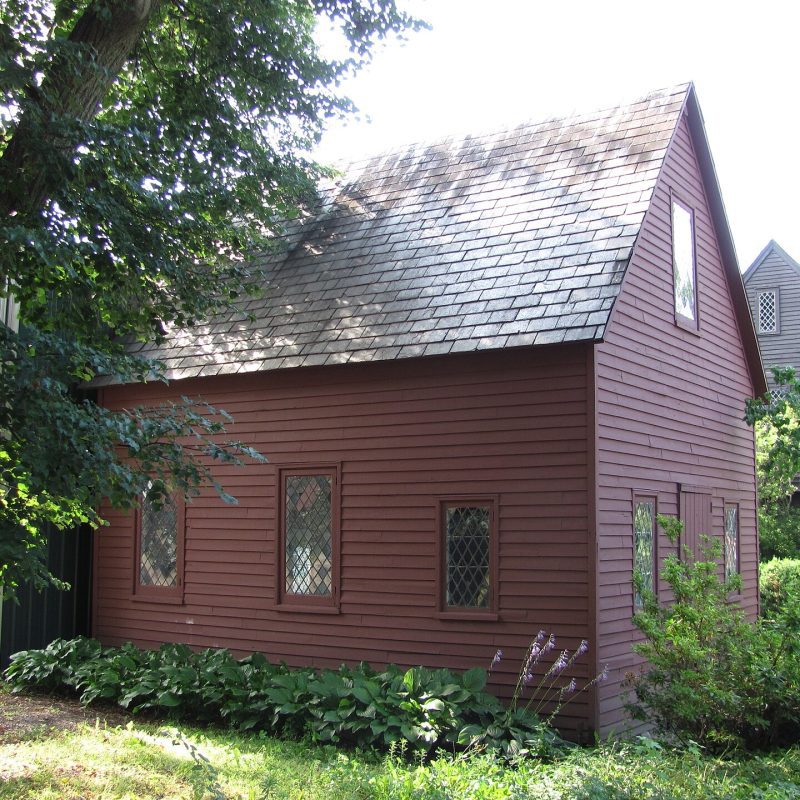
The Pickering House is built
John Pickering builds The Pickering House, the oldest house still standing in Salem.
- (No video available.)
1678
Bakers Island is leased to John Turner
Bakers Island is officially leased to John Turner.
1688 - 1697
King William's War
King William’s War rages across New England, Salem ships are drafted by William Phips for his expedition.
1692
Salem Witch Trials Begin
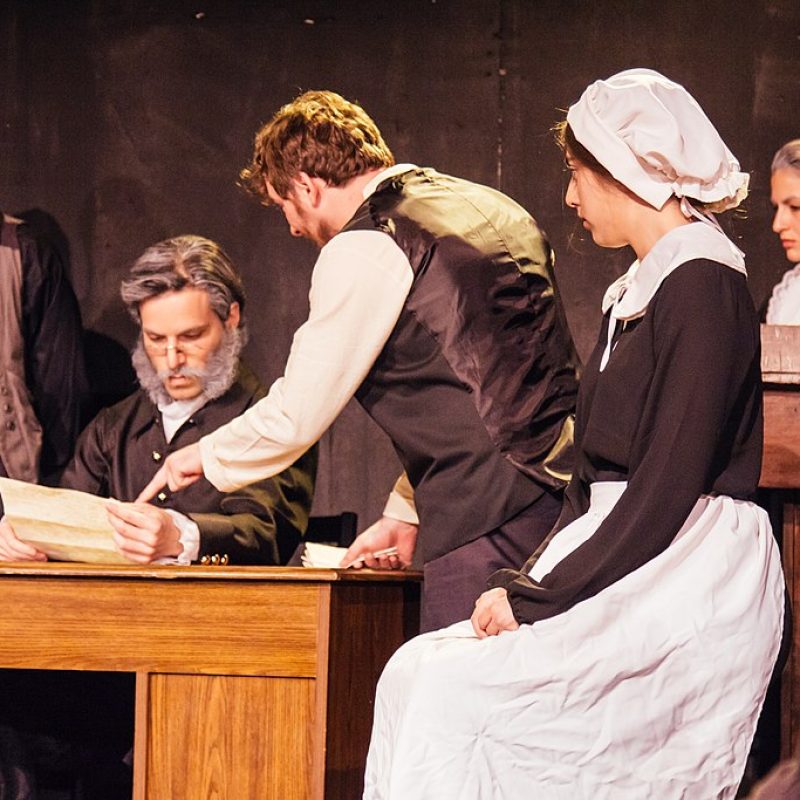
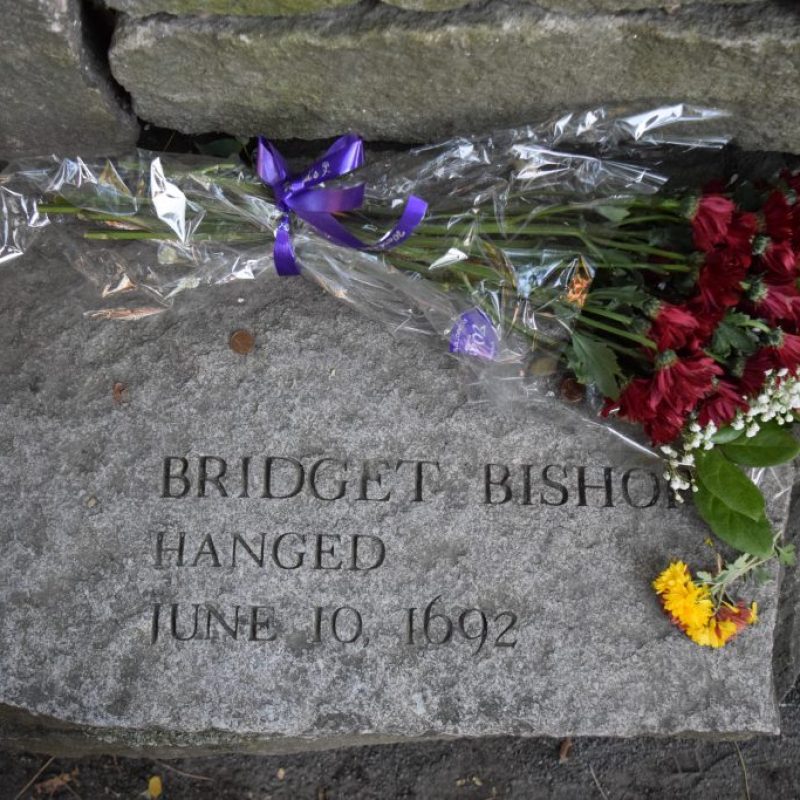
The accusations against neighbors began in 1692 after a mysterious bewitchment beset the daughter and niece of the minister of Salem Village (today the town of Danvers). Assumption of guilt and a fear of the devil snowballed the trials into a county-wide nightmare, in which innocent women and men were slandered, imprisoned, and executed. The first woman executed, Bridget Bishop lived in downtown Salem, and the trials and hangings occurred here in Salem Town. When the dust had settled in 1693 and the last victims were released from jail, this legendary miscarriage of justice had claimed 25 lives and ruined countless others. Today, the City of Salem reflects on this harrowing time as a reminder to build a tolerant, inclusive, and just community.
1700s
1741 First recorded Negro Election Day
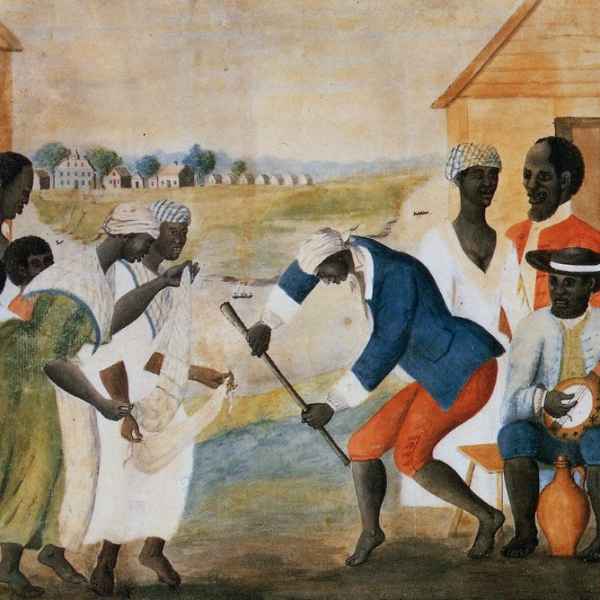
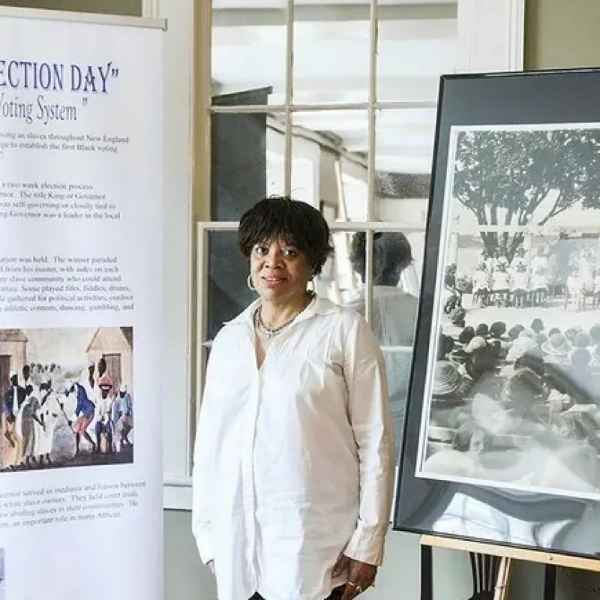
First recorded on May 27, 1741, in Salem, Negro Election Day is the oldest system of Black voting in the United States. An annual celebration in which enslaved and free African Americans on the North Shore gathered to elect a “Black King” or “Black Governor” who would mediate politically with the colonial government and advocate for the abolition of slavery. Black and white New Englanders alike attended the holiday, wearing their finest clothes, partaking of election cake, and dancing. The occasion is an important testament to the vibrant culture people of African descent maintained in New England in spite of widespread oppression. Negro Election Day is still celebrated in Salem today, and in 2022, it became a state holiday.
1757
Architect Samuel McIntire is born
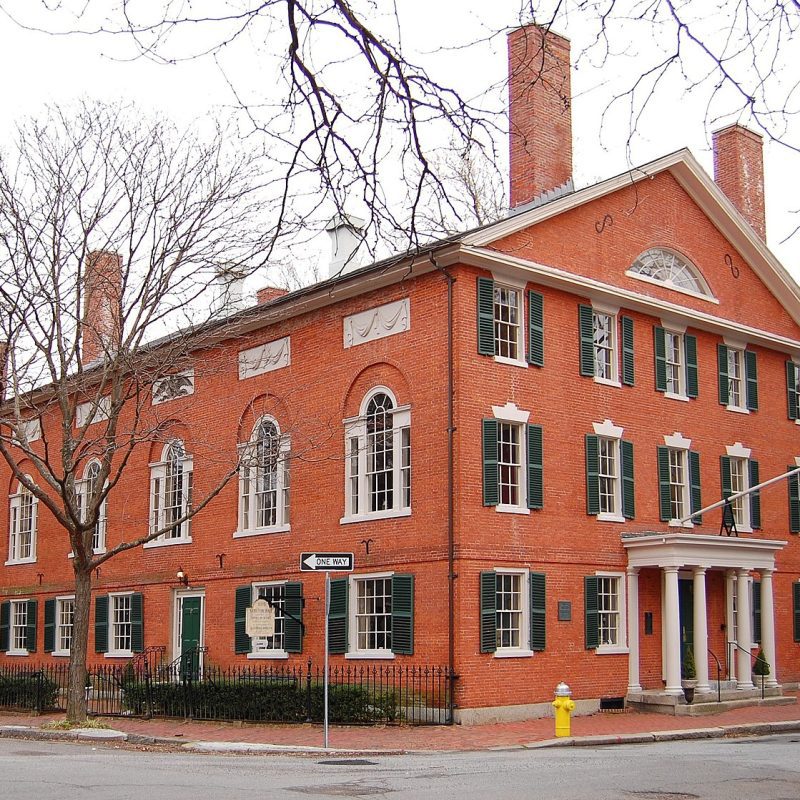
Samuel McIntire, the son of a housewright, became one of America’s first master architects and a woodcarver of unparalleled skill and grace. He began building houses immediately after the American Revolution, as elegant Neoclassical architecture came to dominate the new country’s wealthy cities. Examples of McIntire’s genius can be seen in Salem at the Peirce-Nichols House (1782), Hamilton Hall (1805), his furniture designs in the collections of the Peabody Essex Museum, and numerous private homes in Salem’s west end, today a historic district named for the visionary who shaped the built environment of a new nation.
1762
The Derby House
The Derby House is built, the oldest surviving brick house in Salem.
1768
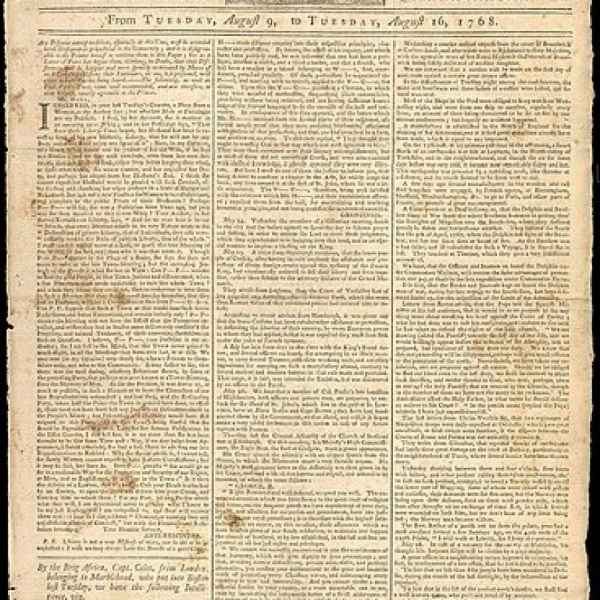
The Inaugural Publication of The Essex Gazette, Salem's First Newspaper
Samuel Hall, a printer from Bedford, established The Essex Gazette, Salem’s first newspaper, and the first in Massachusetts, outside of Boston. Advertised as containing “The freshest advice, both foreign and domestic” the paper took a strong Patriot stance during the American Revolution. After the outbreak of the war, the paper was moved to Cambridge and then to Boston, where it was published until 1788. The Gazette was followed in Salem by the short-lived New England Chronicle, and in 1790 by the Salem Gazette.
- (No video available.)
1775
The American Revolution begins
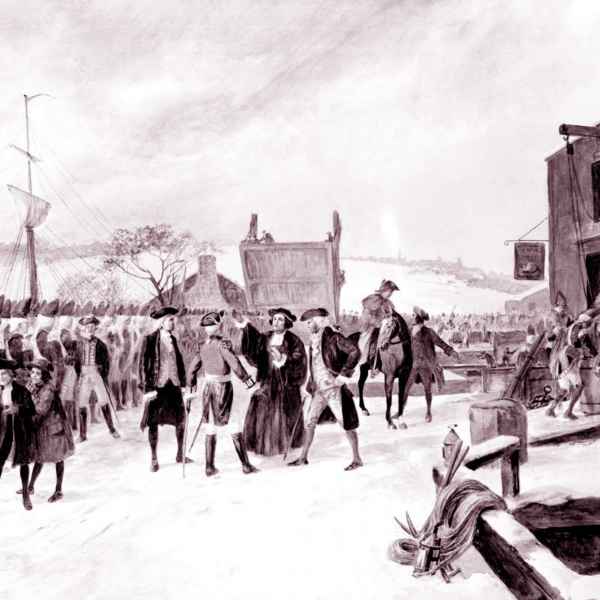
Beginning with protests over the Stamp Act in 1765, the colonists in thirteen North American colonies reconsidered their relationship with the British Empire. This rupture deepened until in 1775 war broke out, lasting until 1783 and the creation of The United States of America. Salem was a key location in the early days of the Revolution. The British military governor of Massachusetts, General Thomas Gage, moved the state General Court to Salem in June 1774. The Massachusetts Provincial Congress, an illegal assembly, began in Salem on October 5, 1774, in defiance of Gage’s authority. A confrontation between Col. Alexander Leslie and the people of Salem at the North Bridge on February 26, 1775, two months before the battles of Lexington and Concord almost erupted into war, but a compromise was reached in an event today called “Leslie’s Retreat”. It was a Salem captain, John Derby, who first brought news of the war to England on an official mission from the rebelling forces. Many Salem mariners transformed their ships into privateers, capturing British ships as prizes and establishing Salem as the premier port of the new nation. Not every Salemite was in favor of the revolution, and many who remained loyal to the crown had their windows smashed by crowds in 1777. Many left the town for England, Nova Scotia, or other parts of the empire.
1782
The Peirce-Nichols House
The Peirce-Nichols House, considered one of McIntire’s masterpieces, is completed
1784
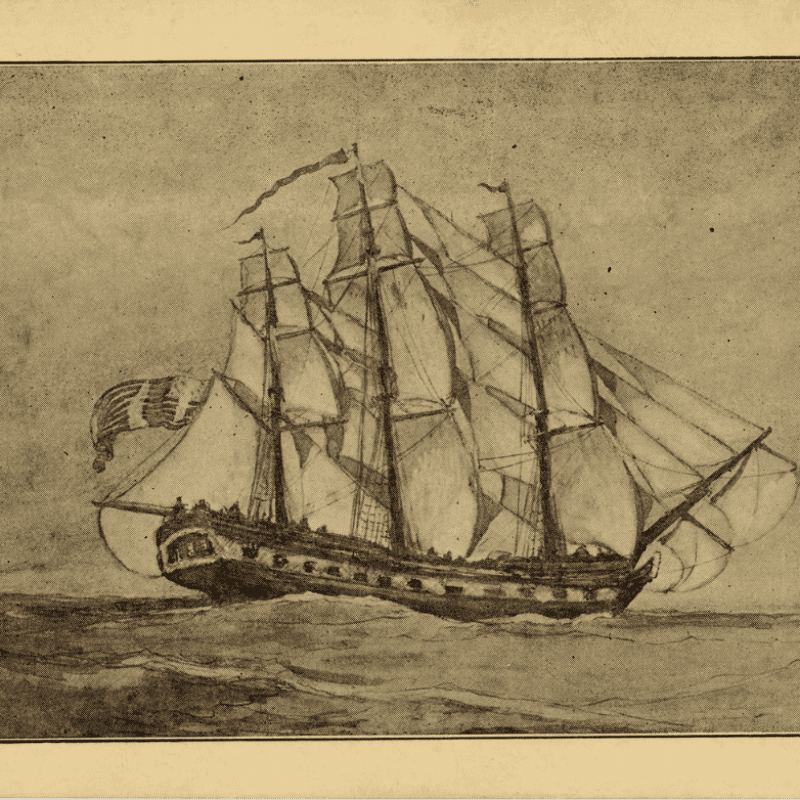
The ship Grand Turk opens New England trade with China
1789
George Washington visits
In 1789, George Washington visits Salem, Massachusetts.
1796
Captain John Carnes brings back a shipload of pepper from Sumatra, beginning one of Salem’s most lucrative trades
Once the Revolution was won, Salem ships were able to trade in foreign ports outside the British Empire. This made the town one of the wealthiest in the United States and its merchants built empires from lucrative trade routes. One of the most profitable was the market for pepper, a spice native to Southeast Asia, which was previously controlled by the Dutch. In 1796, Jonathan Carnes returned from Sumatra, an island in the Dutch East Indies (today Indonesia) with a boat of pepper which made him a fortune. Salem monopolized the American pepper trade until the 1840s, shipping much of it to Europe and even as far afield as Australia.
1797
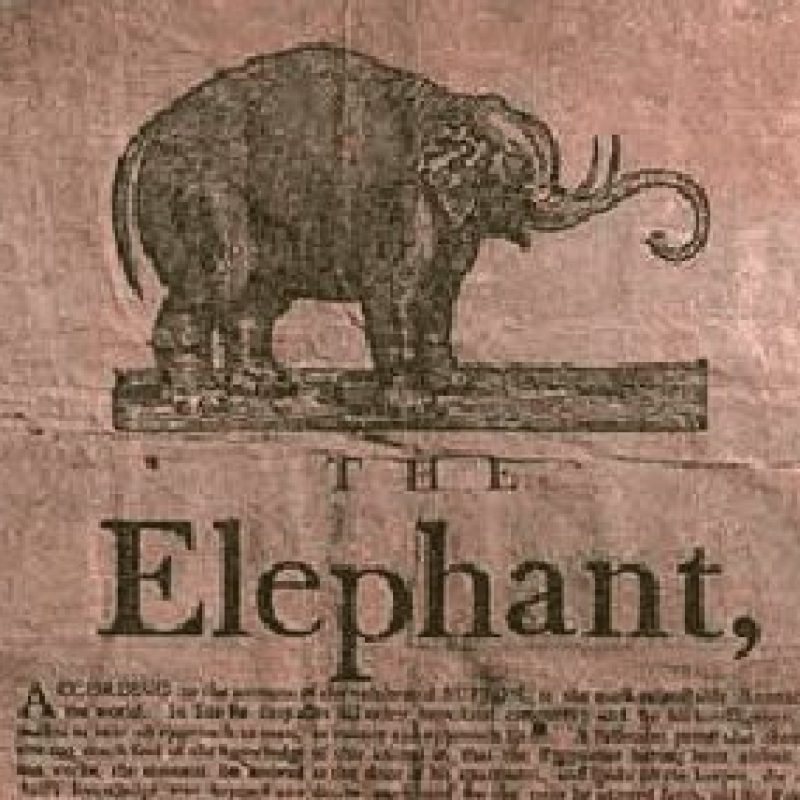
First elephant in the United States
The first elephant in the United States is exhibited in Salem, Massachusetts, brought by the ship America.
- (No video available.)
1797
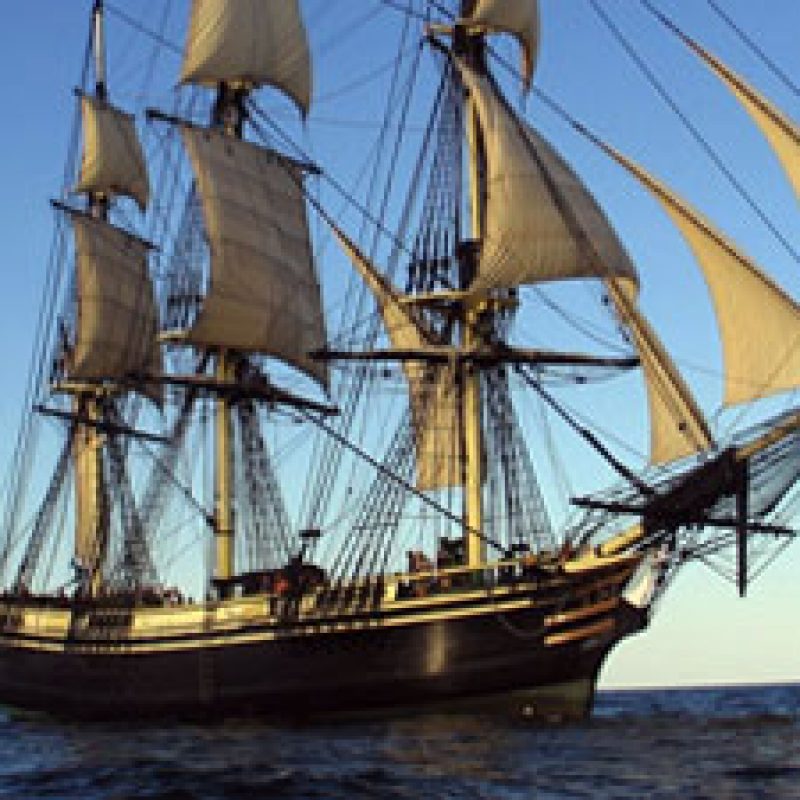
The original Friendship was launched
The Salem East Indiaman Friendship, or The Friendship as we know it today, was launched.
1798
John Remond arrives in Beverly
John Remond arrives in Beverly from Curaçao at ten years old and soon moves to Salem where he becomes a caterer and patriarch to an influential abolitionist family
- (No video available.)
1800s
1802
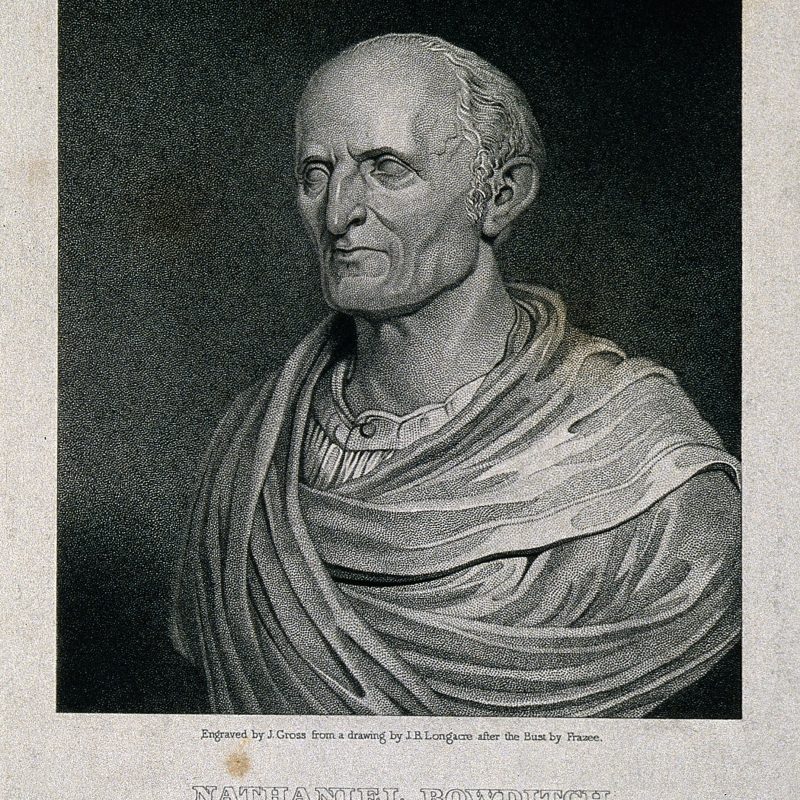
Nathaniel Bowditch publishes The American Practical Navigator, Which Revolutionizes Navigation
Nathaniel Bowditch, a self-taught polymath, revolutionized navigation when he published The New American Practical Navigator in 1802, which corrected thousands of errors in previous manuals. He continued to revise the work until his death in 1838, and the federal government purchased the copyright in 1867, printing over 50 editions since. Bowditch also significantly advanced American astronomy with his translation of four volumes of Pierre Simon de Laplace’s Mécanique céleste in the last decade of his life.
1805
Hamilton Hall opens
Important gathering place and landmark of federal architecture Hamilton Hall opens
1806
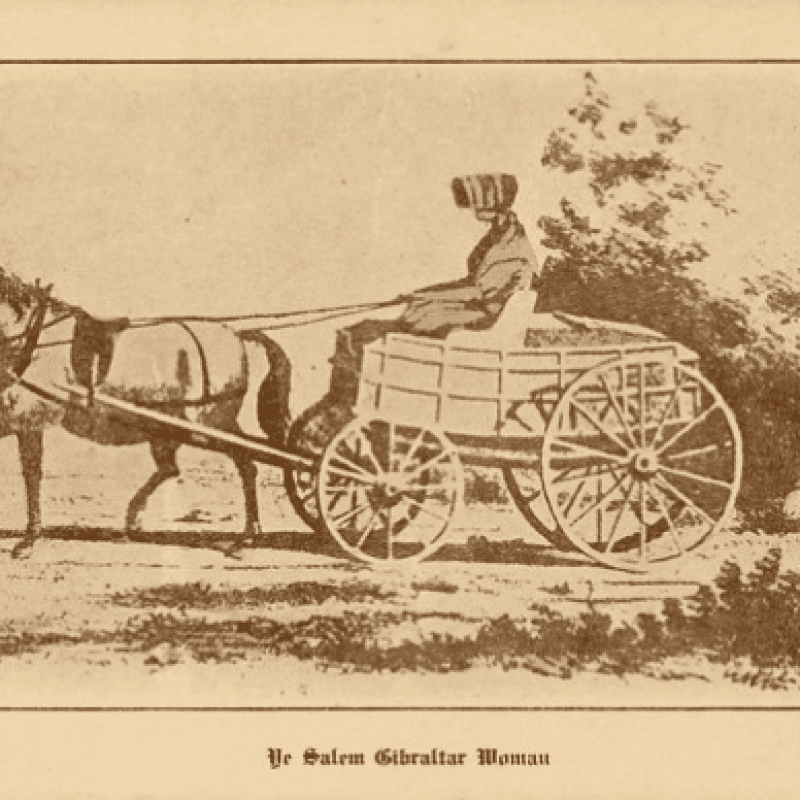
Mary Spencer arrives in Salem
In 1806, Mary Spencer, creator of the gibraltar candy, arrives in Salem, Massachusetts.
1810
The Salem Athenaeum, An Independent Membership Library, Is Founded From Two Earlier Library Societies
The Salem Athenaeum, an independent membership library, is founded from two earlier library societies
1812 - 1814
The War of 1812 - Privateering
During The War of 1812, many Salem ships take to privateering, including the Schooner Fame.
1816 - 1817
Old Town Hall Built
Between 1816 and 1817, the Old Town Hall was built.
1821
The Phillips House Was Built.
The Phillips House moved to Chestnut Street from South Danvers (today Peabody, Massachusetts).
1826
Abolitionist Sarah Parker Remond Was Born
Abolitionist Sarah Parker Remond was born in 1826.
1831
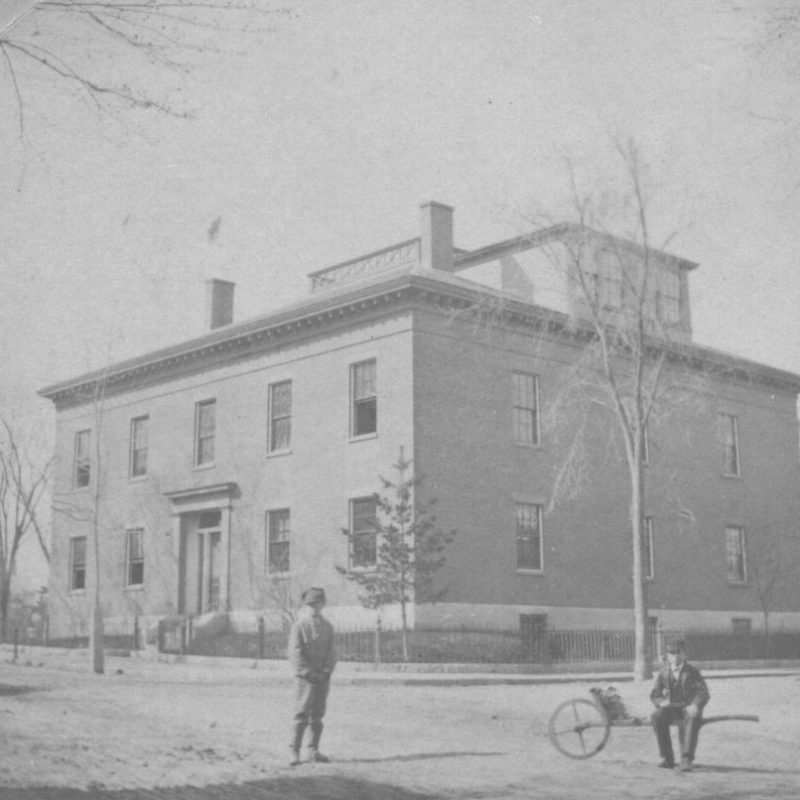
The Salem Lyceum, A Significant Lecture Hall Used For The Exchange Of Ideas, Is Founded
The ancient Lyceum of Athens, a temple used for philosophical debate, inspired the creation of venues for continuing education in the United States in the mid-1800s. Salem’s Lyceum was founded in 1831, and soon became a venue for lectures of national importance. Among the hundreds of lectures which took place there, John Ross, Principal Chief of the Cherokee, spoke against the forced removal of his people to Indian Territory, Pequot writer William Apess advocated for the rights of Indigenous people, Henry David Thoreau eulogized John Brown, and Frederick Douglass lectured on the assassination of President Lincoln.
1844
Salem Public Schools Racially Integrated
Thanks to the efforts of Black activists, Salem public schools are racially ntegrated, the first in the nation.
1850
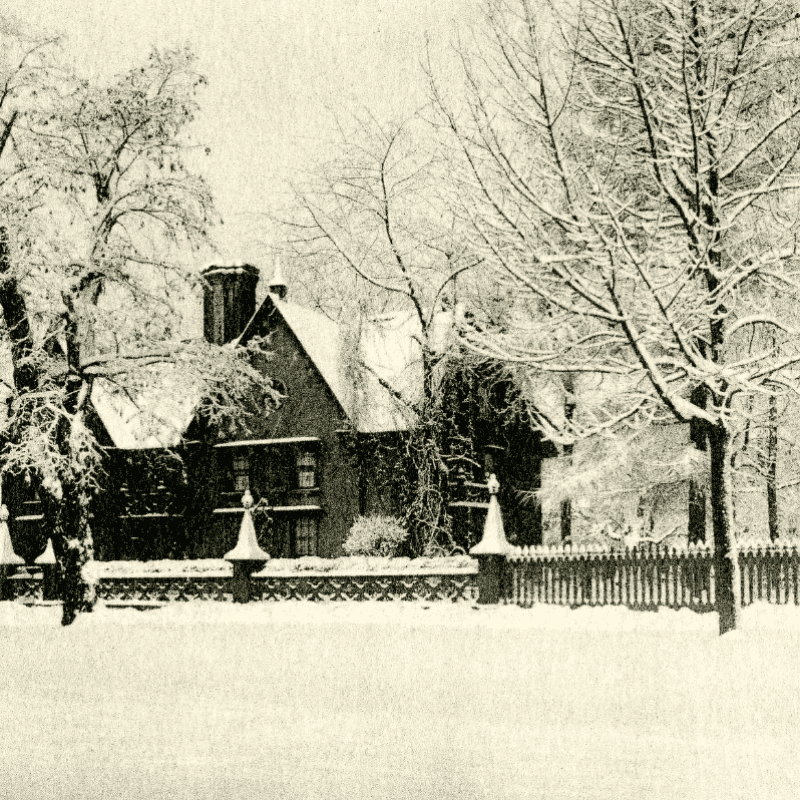
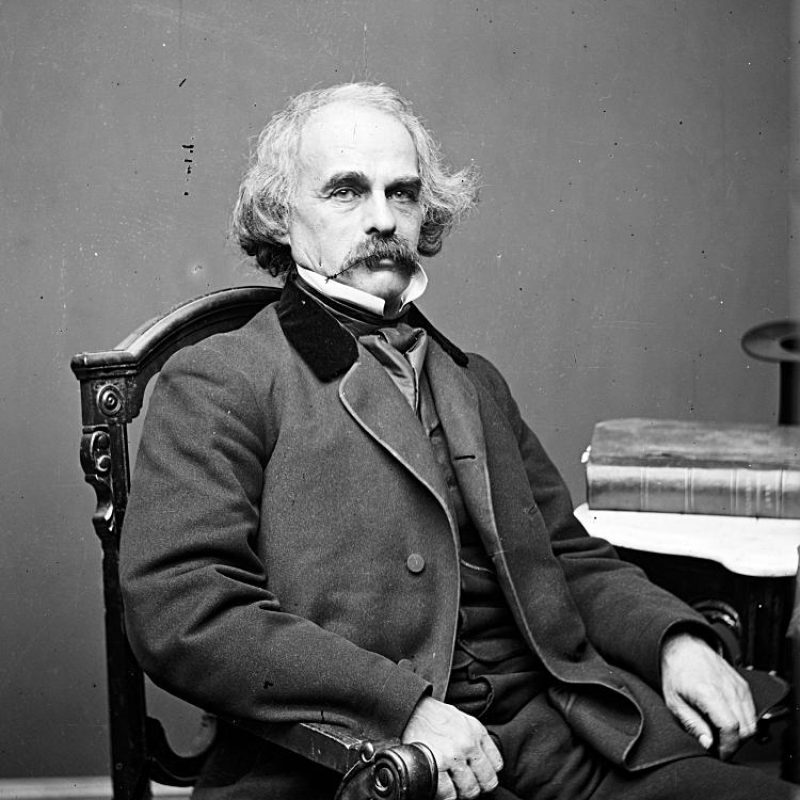
Nathaniel Hawthorne Finished The Scarlet Letter, While Living at 14 Mall Street
In a rented house at 14 Mall Street, Nathaniel Hawthorne wrote The Scarlet Letter, still regarded as one of the greatest novels ever written and a landmark of American literature. Through the story of a woman in Puritan Boston forced to wear the letter “A” for adultery who transformed the symbol into an act of defiance and art, Hawthorne explored themes of sin, societal rebellion, and hypocrisy.
1854
The Salem Normal School Is Founded
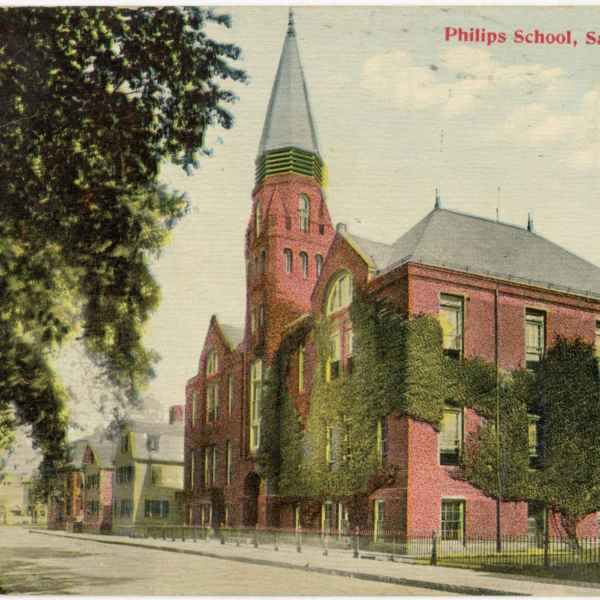
Salem Normal School was founded as a woman’s teaching college.
1861 - 1864
The American Civil War
Following the secession of 11 Southern states who felt their continued use of enslaved labor was threatened by the election of Abraham Lincoln, those states loyal to the United States, including Massachusetts, fought for the abolition of slavery and the preservation of the Union. Many Salem residents served in the war. Abolitionist Sarah Parker Remond advocated diplomatically for the Union in Great Britain, Joseph Horace Eaton became the assistant paymaster of the United States, Col. Arthur F. Devereux and the 19th Massachusetts filled a gap in the Union lines facing off against Pickett’s Charge during the Battle of Gettysburg, and Luis Emilio took command of the Massachusetts 54th after the Battle of Fort Wagner and later wrote the history of the illustrious unit of African-American soldiers. Three Salem men received the Medal of Honor during the war: Robert Buffum, Thomas E. Atkinson, and Thomas Lyons.
1877
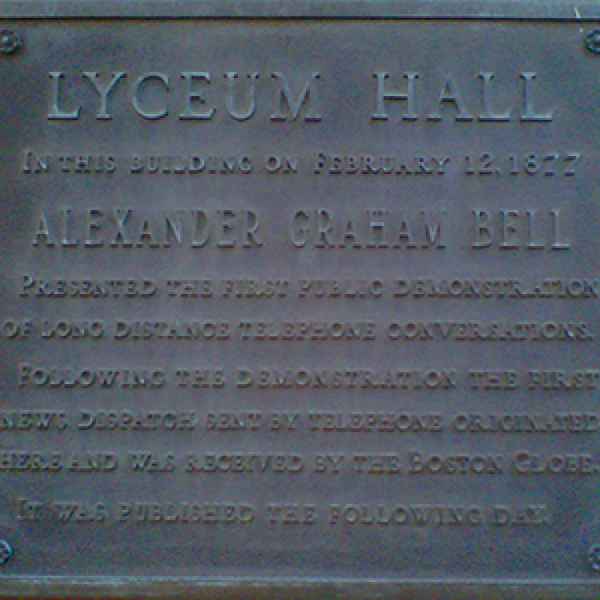
Alexander Graham Bell Showcases The First Public Demonstration Of The Telephone
Few inventions have revolutionized communication as vastly as the telephone, which allowed for instantaneous oral conversation across distances. Alexander Graham Bell, a Scottish-born scientist and engineer, patented the telephone in March 1876. That same year the first long distance call was made from Boston to Cambridge. On February 12, 1877, Bell publicly demonstrated a long distance call for the first time at the Salem Lyceum, dialing his assistant Thomas Watson, who was in Boston at the time.
1883
Parker Brothers is Founded
George Swinnerton Parker founds Parker Brothers game company.
1898
Temple Shalom is Founded
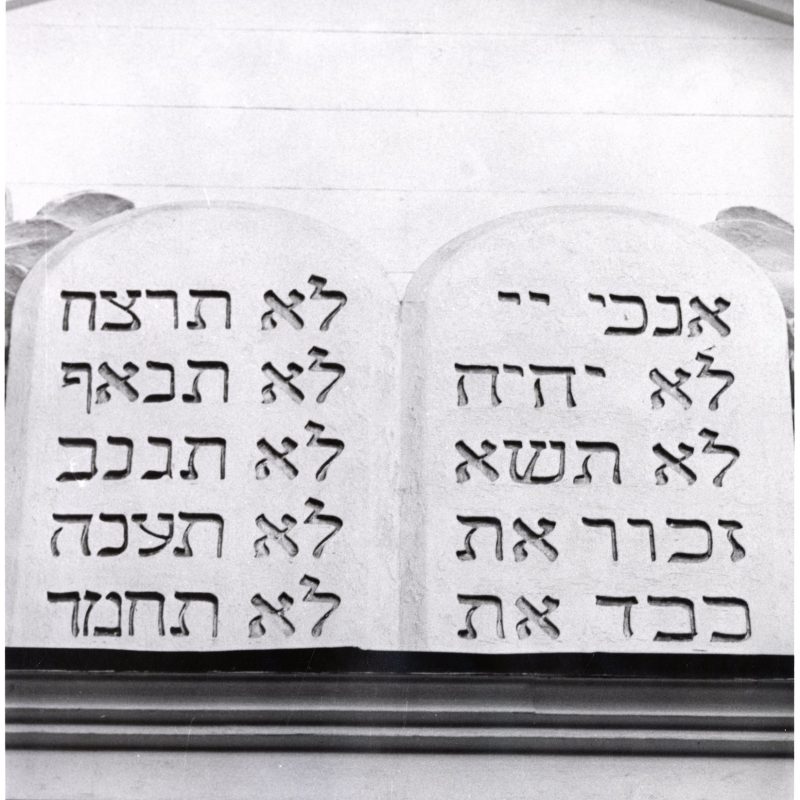
Temple Shalom of the Congregational Sons of Jacob is founded, the oldest continually-operated synagogue on the North Shore.
1900s
1909 St. Joseph Hall Is Built
St. Joseph Hall is built on Derby Street as a social club for Salem’s large population of Polish immigrants
- (No video available.)
1910
The House of the Seven Gables Opens To The Public For Tours
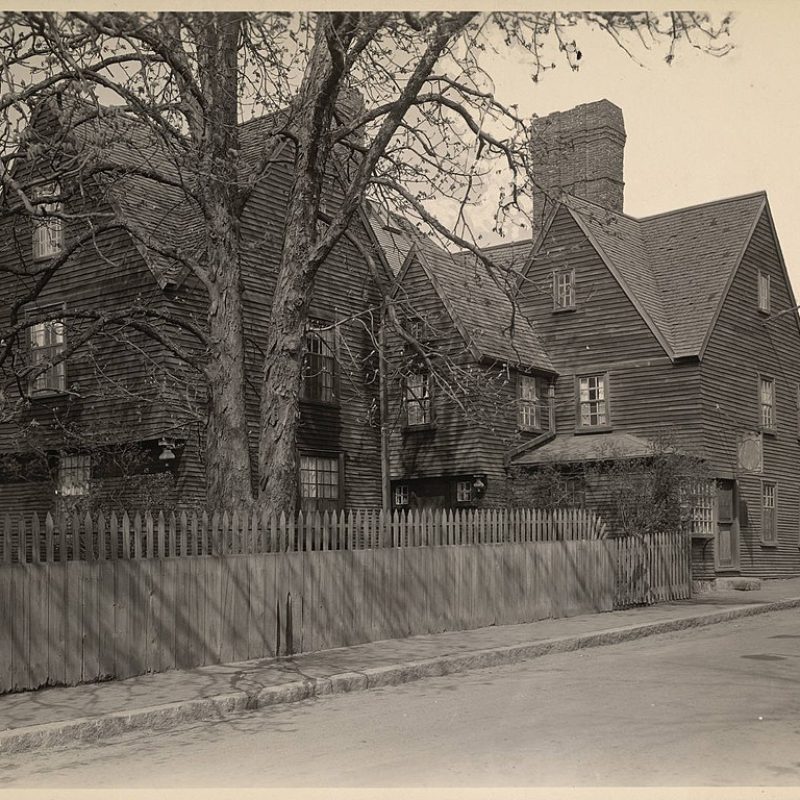
Philanthropist Caroline Emmerton opened a settlement house in Salem in 1908, providing immigrant children a place to learn English and job skills among other services. To fund the organization, she purchased a 1668 merchant’s mansion which had served as the inspiration for Nathaniel Hawthorne’s 1851 novel The House of Seven Gables. The resulting museum continues to work alongside local immigrant communities to provide English and citizenship classes.
1911
Early Historic Preservation Efforts
The Hooper-Hathaway House is moved to the campus of The House of the Seven Gables. One year later, the John Ward House opened to the public and landmarks in the preservation of early American houses
1914
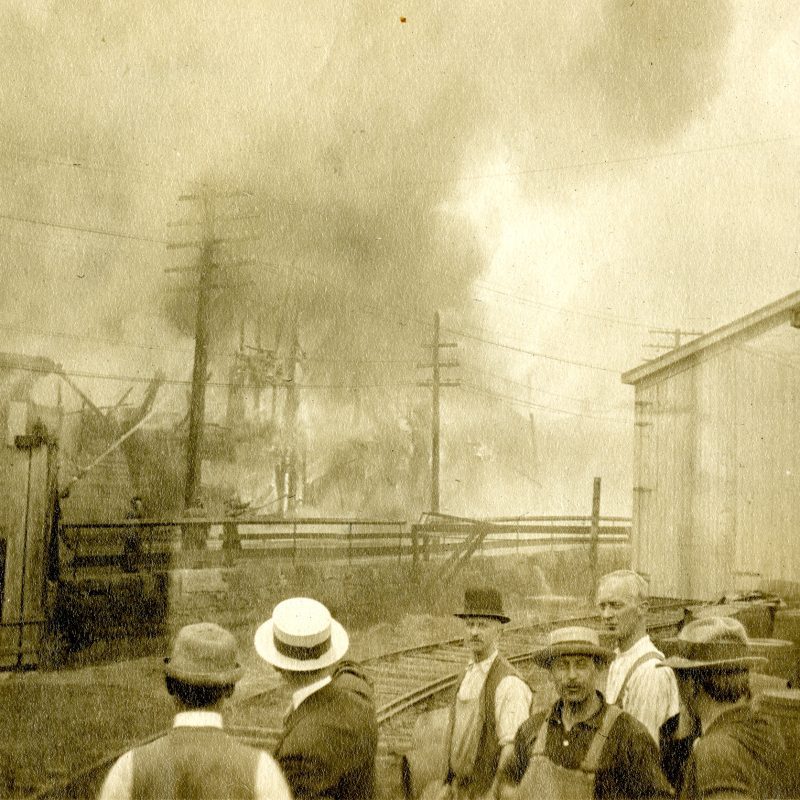
The Great Salem Fire
Leatherworking was a major industry in Salem in the 1800s and early 1900s, with many of Salem’s immigrants employed in various stages of its production. On June 25, 1914, a fire broke out in a shed at the Korn Leather Factory on Boston Street where flammable chemicals used to finish patent leather were stored. The fire spread quickly between the industrial buildings and wooden houses, quickly consuming a fifth of the city. Fire departments from 21 nearby towns rushed to assist, and by the next day, the fire was extinguished. Three people lost their lives, over sixty were injured, 1,376 buildings were destroyed, and many thousands were left homeless. Many of those affected were French-Canadian immigrants. Relief efforts, both public and private, emerged to help those harmed by the fire, and most of the affected land was rebuilt within five years.
1930
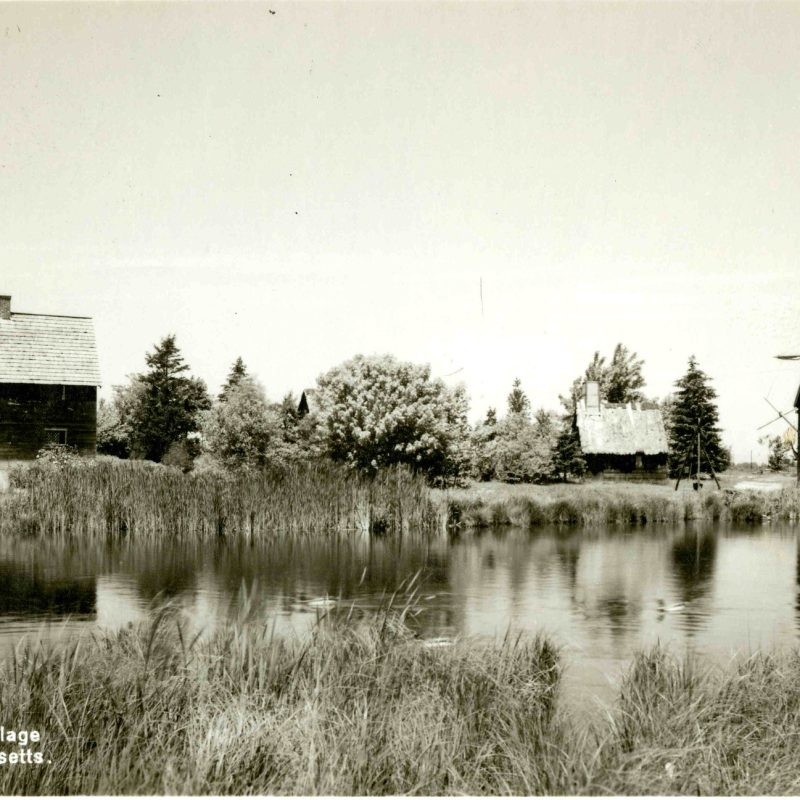
The Pioneer Village Is Created
Creation of Pioneer Village for Massachusetts Tercentenary.
1935
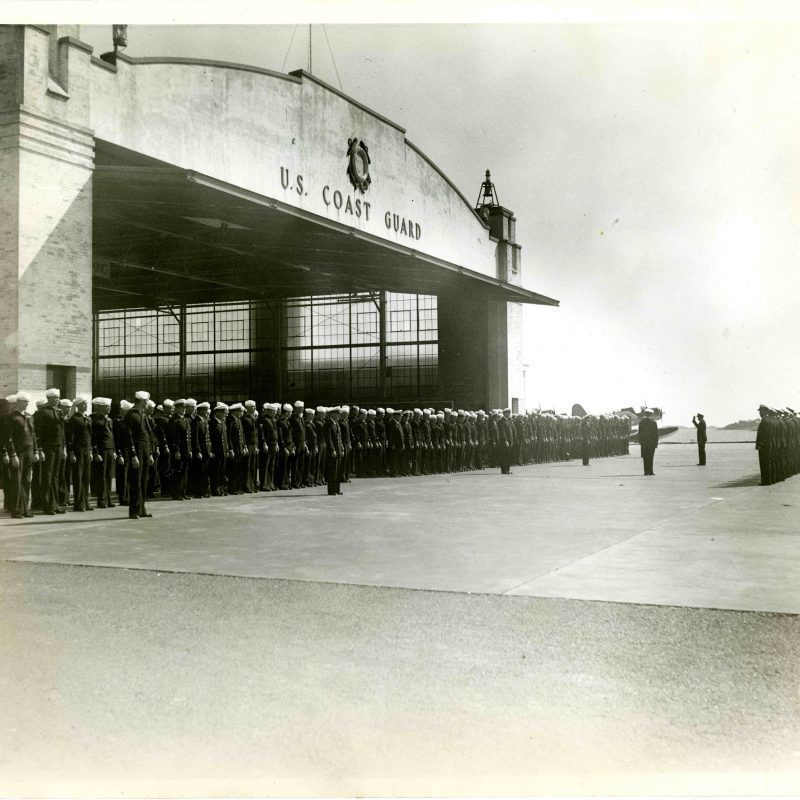
Coast Guard Air Station Is Built
The Coast Guard Air Station is Founded at Winter Island in Salem, Massachusetts.
1938
Salem Maritime National Historic Site becomes the first National Historic Site in the Country
In 1935, Congress passed the Historic Sites Acts, which explicitly made the preservation of historic places the responsibility of the government. Three years later, Salem Maritime National Historic Site was named the first National Historic Site, managed by the National Park Service. The site encompasses several historic properties on the waterfront, including the 1675 Narbonne House, The Derby House and Derby Wharf from 1762, the 1819 Custom House, 1909 St. Joseph’s Hall, and a reconstruction of the 1790s Friendship of Salem.
1941 - 1945
World War II
In late 1941, the United States declared war on the Axis Powers, joining the international fight against European fascism and Japanese militarism. Salem, like every community around the nation, had many residents enlist in the armed forces, and those who remained experienced privation on the home front. The United States Coast Guard established an Air Station in Salem in 1935, which during the war became the second largest such installation on the East Coast. Those stationed there conducted water rescue by seaplane and monitored the coast for enemy submarines. 187 Salem men and women died during the war, in places like Guadalcanal, Normandy, New Guinea, Belgium, and Okinawa. Lt. Cmdr. Edmund W. Biros received many medals for heroism while flying in the Atlantic theater before he was killed in action in Guam in July 1944. Lt. Catherine M. Larkin became Head Nurse of a field hospital in Kolkata, India before her death in a plane crash in March 1945. After victory in 1945, veterans returned home and reintegrated into civilian life in Salem. Later, many survivors of the systematic murder of Jews across Europre, moved to Salem, such as Sidney Shachnow, who came to Salem from Lithuania at the age of 16 in 1950.
1944
Historic Salem, Inc. Founded
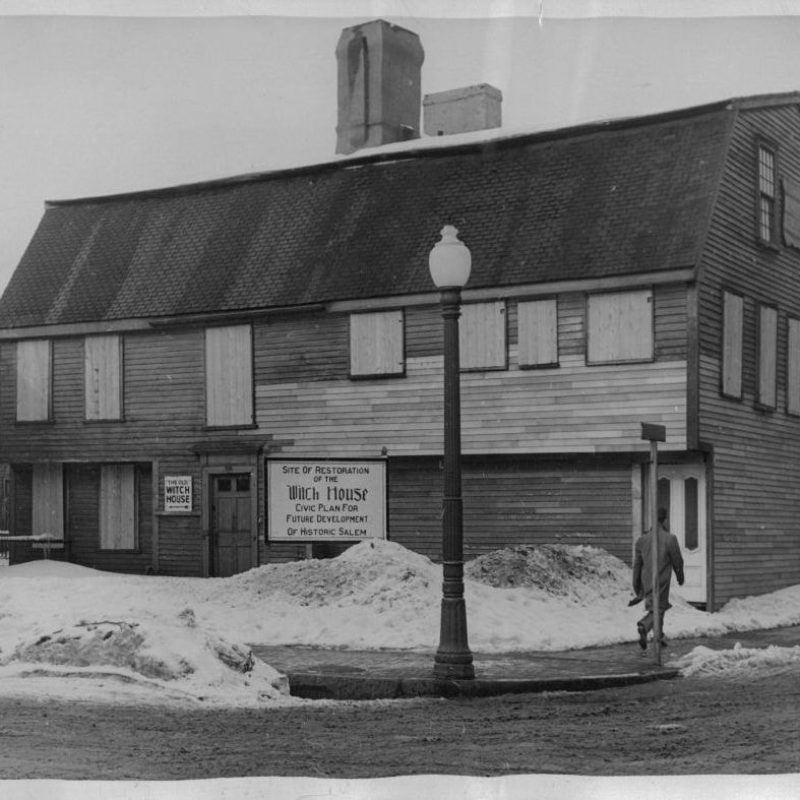
Faced with the imminent destruction of the late-1600s Witch House, a group of concerned Salem residents banded together to create Historic Salem, Inc., One of the first civic preservation organizations in the country, HSI has been instrumental in saving buildings around the city, including the Pickman House, the Wendt House, the Pope House, the Essex Bank Building, and their headquarters, The Bowditch House. They helped create National Historic Register districts in Salem and recently campaigned successfully to expand the demolition delay for historic properties. Since 1979, their holiday house tour program, Christmas in Salem, has been one of the city’s signature winter events.
- (No video available)
1970
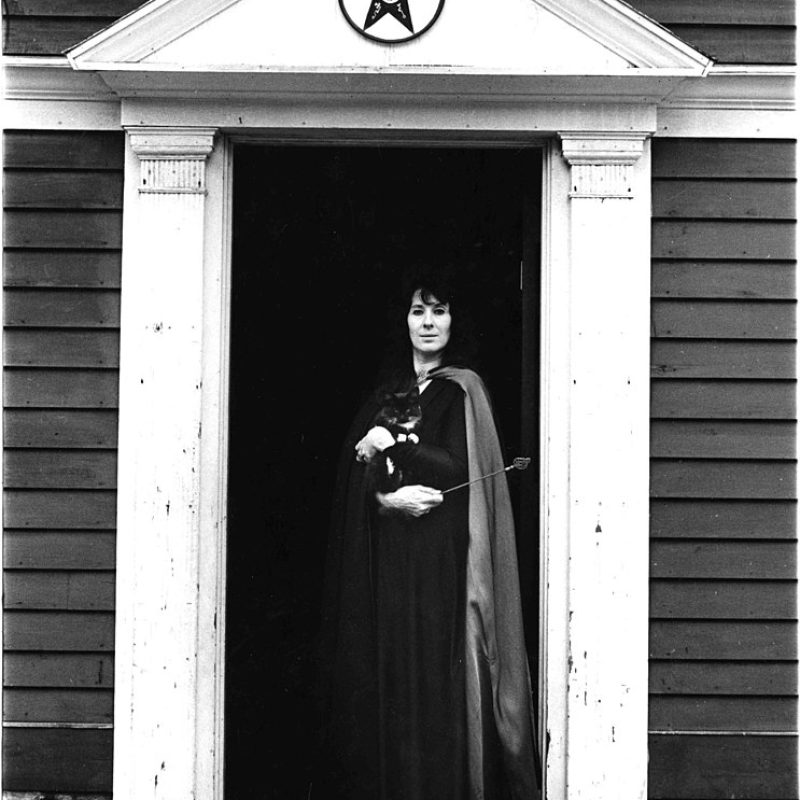
Laurie Cabot Opens The First Witch House
Laurie Cabot opens the first witch house in Salem, Massachusetts.
- (No video available.)
1953
'The Crucible'
Arthur Miller’s play, ‘The Crucible’ popularizes the Witch Trials for a new generation.
1978
The NSGLA is Founded
The North Shore Gay and Lesbian Alliance (NSGLA) was founded.
1982
The first Haunted Happenings
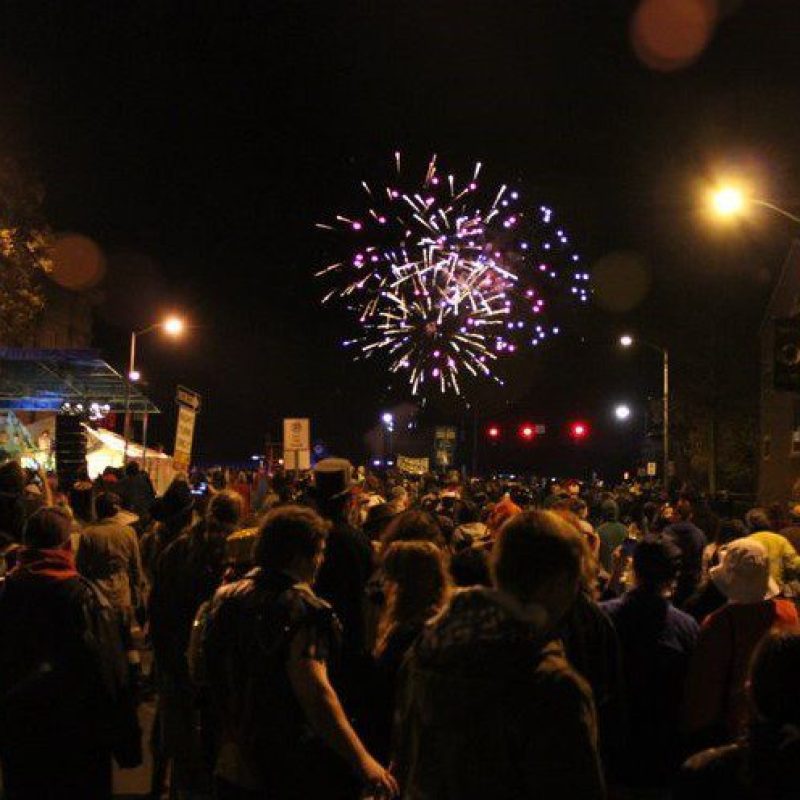
Beginning in 1982, the city of Salem hosted a weeklong celebration of Halloween at the end of October featuring apple bobbing, pumpkin carving, and a “Witches Brew” cocktail contest. Over time, that event has stretched to a month-long phenomenon with dozens of events, fairs, and a Haunted Happenings Parade, which have further popularized Salem as the nation’s premiere Halloween destination and bring almost a million visitors to the small city every fall.
1992
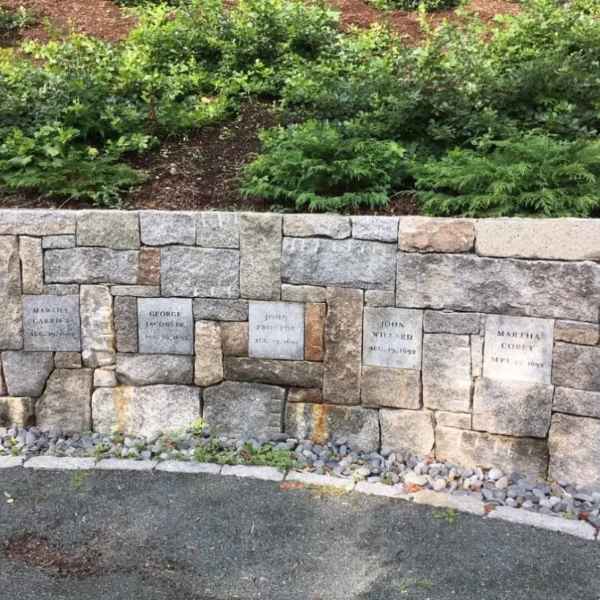
The Salem Witch Trials Memorial
The Salem Witch Trials Memorial is dedicated by Nobel Laureate Elie Wiesel to commemorate the tercentenary anniversary of the trials.
1992
The Peabody Essex Museum is formed
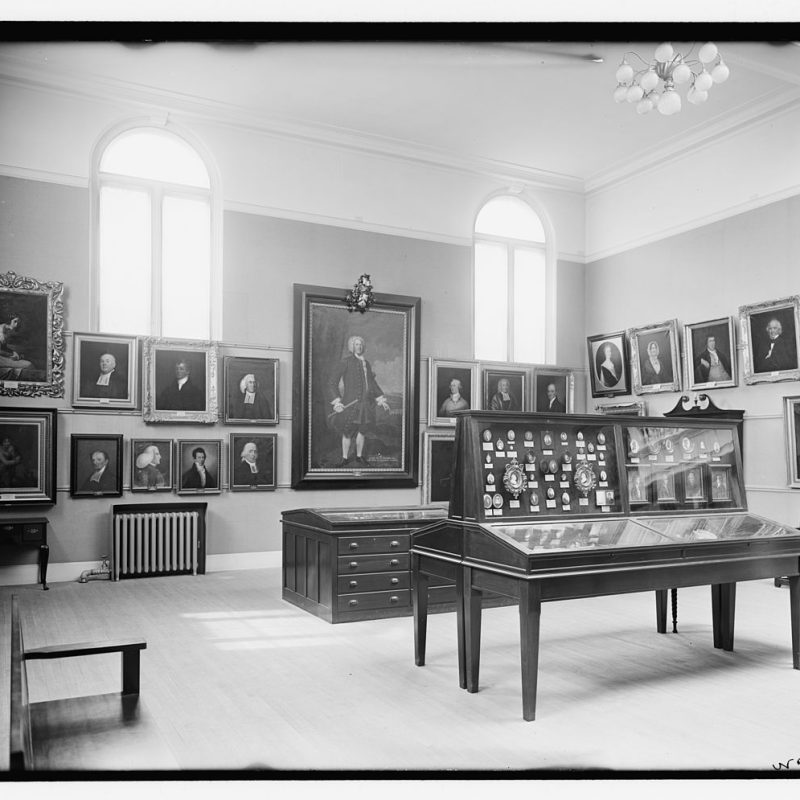
The Peabody Essex Museum is formed from the merger of Essex Institute and the Peabody Museum.
1993
'Hocus Pocus'
Hocus Pocus is released in theatres; it was filmed at numerous locations in Salem, Massachusetts.
1996
Essex National Heritage Area is created
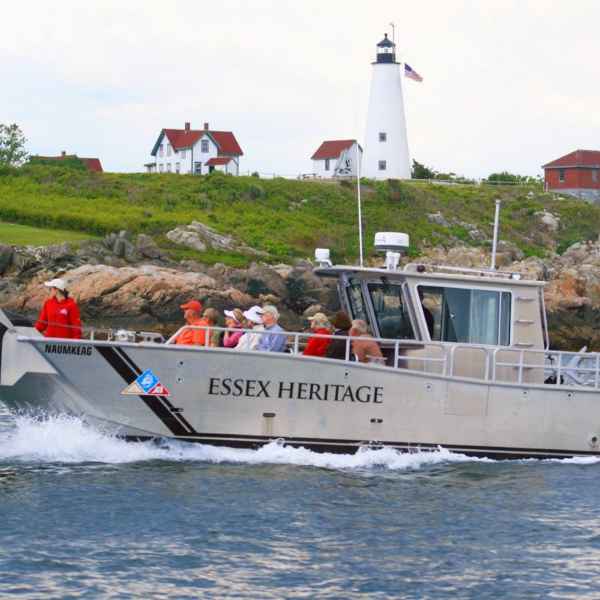
Congress designates Essex County as a National Heritage Area in order to enhance, preserve and encourage awareness of the county’s historic cultural and natural resources and traditions.
2000s
2003
Yin Yu Tang house relocated to Salem
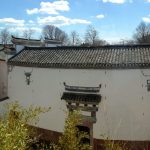
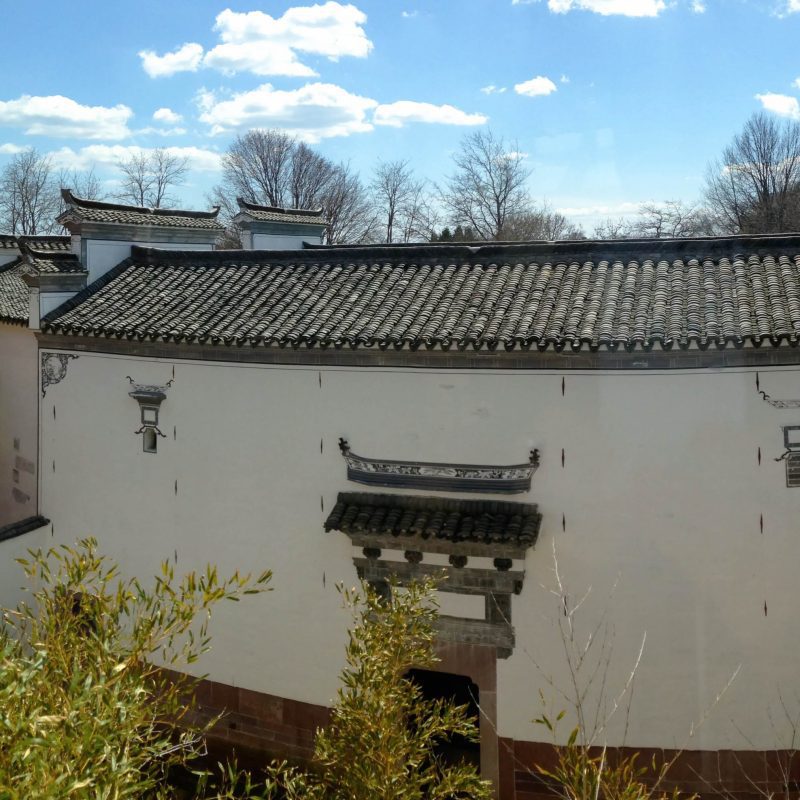
A house originally built in the late 1700s in Anhui Province, China, and lived in by eight generations of the Huang family, was purchased by the Peabody Essex Museum and reassembled piece by piece in Salem, opening to the public in 2003. The house is built around a central courtyard, each room outfitted with finely carved wooden shutters. Today the house is a centerpiece of the museum and an opportunity to learn about life and architecture in rural China.
2005
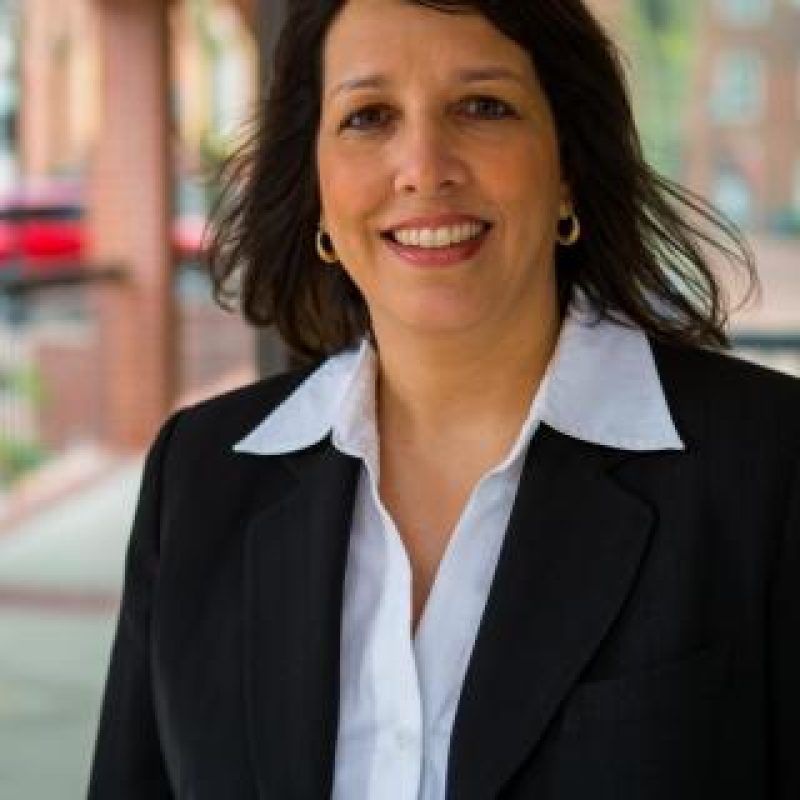
Kim Driscoll is elected the city’s first female mayor, a position she held until 2023
Kim Driscoll was elected Mayor of Salem, the first woman to hold the position. She was reelected four times and served until 2023, becoming the second-longest-serving mayor in Salem’s history. Her tenure was marked by the revitalization of downtown and controversies about development. She now serves as the 73rd lieutenant governor of Massachusetts.
2006
Salem Ferry begins service
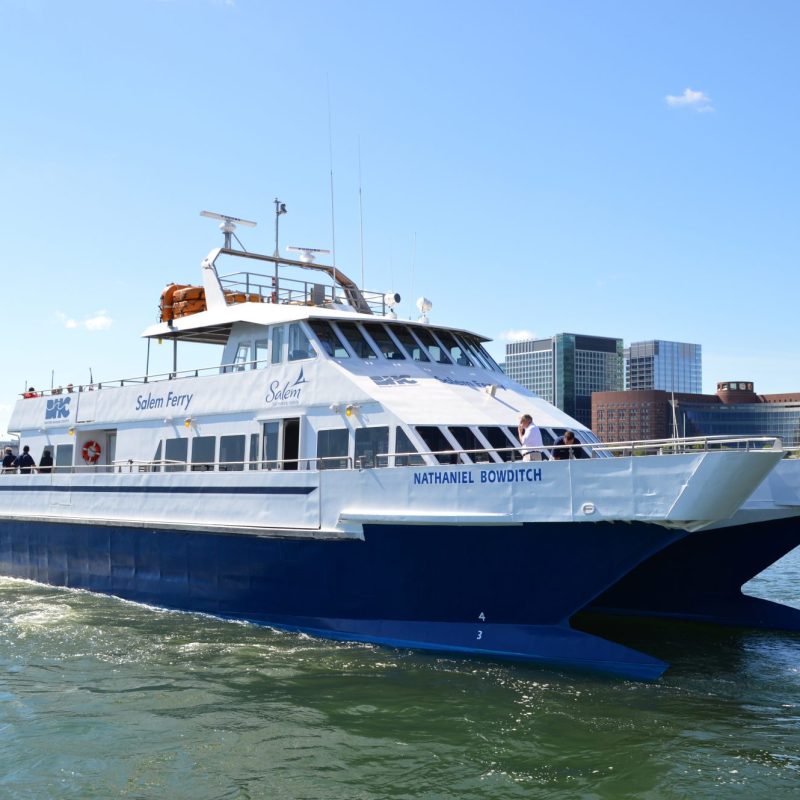
In 2006, the Salem Ferry begins service with rides to and from Salem, Massachusetts and Boston, Massachusetts.
2007
Salem Main Streets Revitalizes Downtown
Salem Main Streets is established to revitalize downtown as a vibrant year-round retail, dining and cultural destination
- (No video available.)
2010
North Shore Community Development
The North Shore Community Development Commision is Founded.
- (No video available.)
2010
Salem State College becomes Salem State University
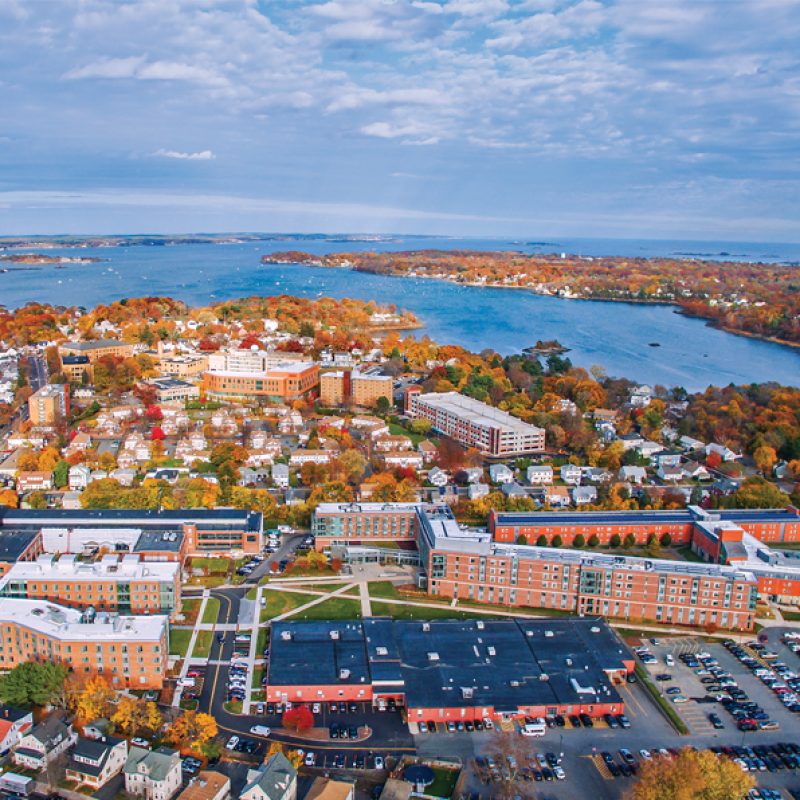
Salem State College officially becomes Salem State University.
- (No video available.)
2012
Community Preservation Act
Salem adopts the Community Preservation Act (CPA).
- (No video available.)
2012 - 2020
Salem in pop culture
The 2010s and 20s brought a renewed focus on Salem in mass media, with many films and television shows drawing very loosely on the city’s history, such as ParaNorman (2012), The Lords of Salem (2012), Salem (2014-17), The Chilling Adventures of Sabrina (2018-2020), Hubie Halloween (2020), Motherland: Fort Salem (2020-2022), and Guillermo Del Toro’s Cabinet of Curiosities (2022).
2013
Birthplace of the National Guard
The congressman representing Salem, John Tierney, introduced legislation designating Salem the official birthplace of the National Guard, in memory of the First Muster of the East Regiment in 1637. President Barack Obama signed it into law in 2013. Every April service members, veterans, historical reenactors, and the general public commemorate that historic event on Salem Common.
2015
Salem United is Founded
In 2015, Salem United is Founded.
- (No video available.)
2016
Footprint natural gas power station
Footprint natural gas power station is built in Salem, replacing the coal-fired Salem Harbor Station built in the early 1950s.
- (No video available.)
2016
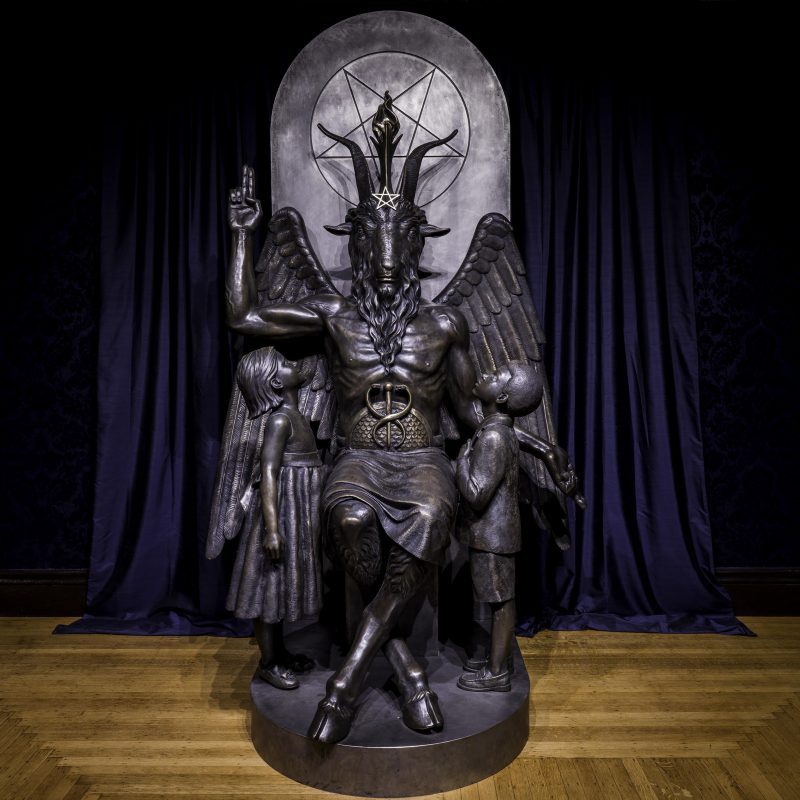
The Satanic Temple is Founded.
The Satanic Temple is Founded in 2016.
- (No video available.)
2016
Executions During Witch Trials Location Confirmed
A team of experts confirm the location of the executions during the Salem Witchcraft Trials was at Proctor’s Ledge.
2017
Sanctuary for Peace established
Salem becomes a Sanctuary for Peace following the approval of an ordinance by the Salem City Council and Salem voters.
- (No video available.)
2017
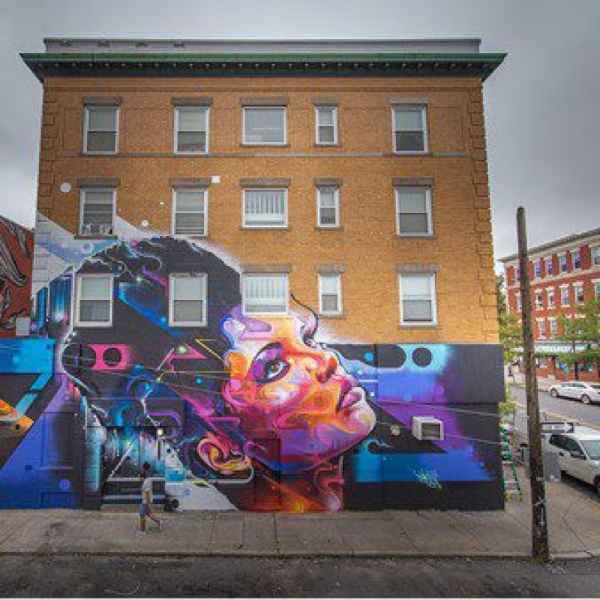
El Punto Urban Art Museum
El Punto Urban Art Museum begins with 50 murals in The Point.
2018
Peabody Essex Museum opens Collection Center
The Peabody Essex Museum opens a 120,000-square-foot Collection Center in Rowley.
- (No video available.)
2019
Peabody Essex Museum expands
The Peabody Essex Museum opens a 40,000-square-foot expansion.
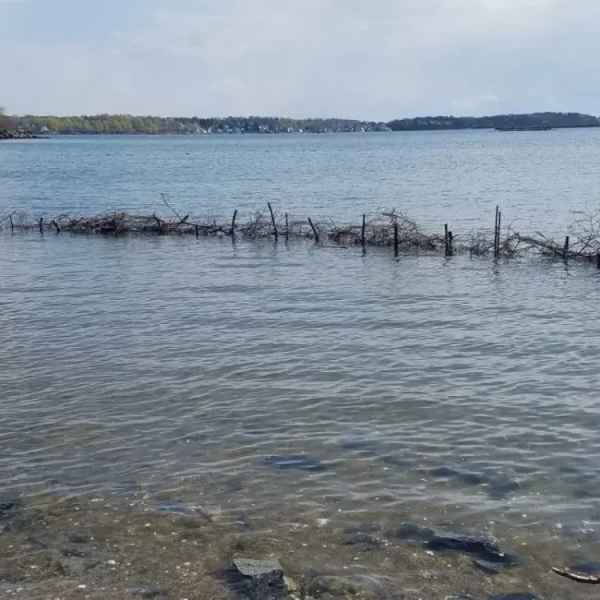
2023 Members of the Massachusett at Ponkapoag recreate traditional fishing weir in Cat Cove
For the first time in centuries, members of the Massachusetts constructed a fishing weir on Salem Harbor. A fishing weir is a fence of interwoven sticks around wooden stakes designed to trap fish as the tide goes out and serve as a passive form of food collection. Members of the Massachusett Tribe at Ponkapoag worked with fifth graders from the Bentley school to build a weir on Cat Cove in April 2023 and returned in September to build two more weirs with the fourth graders from all of Salem’s public schools. The project is a work of cultural reclamation, reviving a traditional craft, which also seeks to educate youth about the continued Indigenous presence in the area.
- (No video available)
Center of Spaces
Join our brand community spaces on X daily in the center of the internet, to learn more about current opportunities, events, and network with other Members of our Wicked Club from all over the world.
Follow us at @CenterofSpaces on X to get in the now. Don’t miss out on this unique community value and future chances to collaborate, share ideas and build something amazing together with like minds.
Featured In:
Wicked Tourcast
Private podcast show coming soon!
Wicked Local Show
New podcast show coming soon!
Join Our Forums
–
Blogs
–
–
Protected: Operation: Broke-Tok
There is no excerpt because this is a protected post.
The Founder’s Wicked Road
The Founder’s Wicked Road An Insightful Point of View of our Founder’s Story at Wicked Salem Tours Welcome to The Founder’s Wicked Road I’ve been
Wicked Local Show
[location-weather id=”6390″] Wicked Local Show – – – Center of Spaces Join our brand community spaces on X daily in the center of the internet,
Center of Spaces
[location-weather id=”6390″] Center of Spaces – – – Center of Spaces Join our brand community spaces on X daily in the center of the internet,

Tour Wars
[location-weather id=”6390″] Tour Wars – – – https://youtu.be/mHbvOtRGHDo?si=MtyASKTJMl_dq0Le – Watch Episode I https://youtu.be/l0_xLESj804?si=0KHLgHDqZdengFtm – Watch The Visitor https://youtu.be/ljSYxAMYH-4?si=xFd5Miur-qNv9k_g – Watch The Businessman https://youtu.be/bijUw6ixVKw?si=g-klVJ4_wcX6kWwW – Watch
Searching for Salem
[location-weather id=”6390″] Searching for Salem – – – Center of Spaces Join our brand community spaces on X daily in the center of the internet,
Tour Wars
Collection I
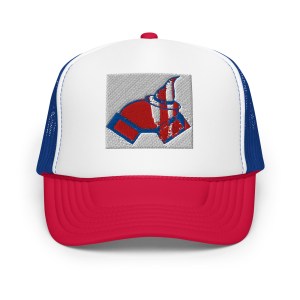
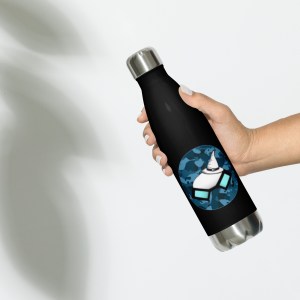
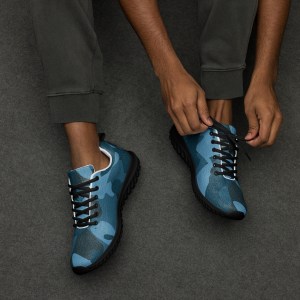
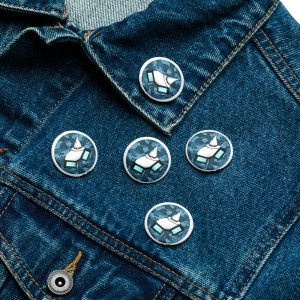
This collection contains a camouflage logo variant resembling our Tour Wars opening, through collaborative and creative works, with a sharp and artistic style of our brand logo design, to encapsulate our timeline with authenticity.
Anyone that purchases any items from our Tour Wars Collection I that messages us on social with proof-of-purchase, will receive an exclusive invite to our Wicked Club Membership for absolutely no charge for 30 days.
Anyone that posts and tags any Collection I merchandise with our brand in a video or picture and gives us permission to use the image, will be shouted out across our socials and have the image hosted on our Community Spotlight page.
-
Collection I
Tour Wars – Collection I – Socks
$12.00 Select options This product has multiple variants. The options may be chosen on the product page -
Collection I
Tour Wars – Collection I – Men’s Athletic Shoes
$38.00 Select options This product has multiple variants. The options may be chosen on the product page -

Collection I
Tour Wars – Collection I – Women’s Athletic Shoes
$38.00 Select options This product has multiple variants. The options may be chosen on the product page -

Collection I
Tour Wars – Collection I – Bomber Jacket
$53.00 – $57.50Price range: $53.00 through $57.50 Select options This product has multiple variants. The options may be chosen on the product page -

Collection I
Tour Wars – Collection I – Hoodie
$67.50 – $69.50Price range: $67.50 through $69.50 Select options This product has multiple variants. The options may be chosen on the product page -
Collection I
Tour Wars – Collection I – Women’s Rash Guard
$37.50 – $42.00Price range: $37.50 through $42.00 Select options This product has multiple variants. The options may be chosen on the product page -

Collection I
Tour Wars – Collection I – Track Pants
$34.00 – $36.00Price range: $34.00 through $36.00 Select options This product has multiple variants. The options may be chosen on the product page -

Collection I
Tour Wars – Collection I – Men’s Rash Guard
$37.50 – $42.00Price range: $37.50 through $42.00 Select options This product has multiple variants. The options may be chosen on the product page
Frequently Asked Questions
Most frequent questions and answers.
?
–
?
–
?
–
?
–
?
–
?
–


You must be logged in to post a comment.